 Save
Save My neighbor knocked on my door one Tuesday night holding a crumpled grocery receipt and asked if I had any quick dinner ideas that wouldn't wreck her diet. I glanced at what she'd bought—ground turkey, broccoli, sriracha—and within half an hour we were sitting at my kitchen table with these bowls between us, steam rising, both of us a little surprised at how good something so simple could taste. She's made it every week since, and now texts me photos of her meal prep containers lined up like little soldiers. That's the thing about recipes that actually work: they spread quietly, person to person, without fanfare.
I started making these bowls during a particularly chaotic stretch of back-to-back deadlines when I needed something that felt like real food but didn't require much thought. The first time, I forgot to steam the broccoli separately and tossed it straight into the turkey pan—it worked, but the florets got a little mushy. Now I keep them bright and crisp, steaming them just until they turn that vibrant green that makes the whole bowl look alive. My partner always sneaks extra green onion on top, claiming it's the best part, and I've stopped arguing because he's probably right.
Ingredients
- Ground turkey: Lean and mild, it soaks up the glaze without competing with it, though I've swapped in ground chicken when that's what I had on hand.
- Broccoli florets: Steam them just until tender so they stay bright and don't turn into mush, which happens faster than you think.
- Garlic and ginger: Minced fresh, they bloom in hot oil and fill the kitchen with that unmistakable aroma that makes everyone wander in asking what's for dinner.
- Green onion: Chopped and scattered on top, it adds a sharp, fresh bite that cuts through the sweetness of the glaze.
- Brown rice: Nutty and chewy, it anchors the bowl and gives the sauce something to cling to, though white rice or cauliflower rice work too.
- Low-sodium soy sauce: The salty backbone of the glaze, and using low-sodium means you control the saltiness instead of the bottle doing it for you.
- Honey: Just enough sweetness to balance the sriracha without turning this into dessert.
- Sriracha sauce: Adjust this to your tolerance, I go heavy, my mom uses half a teaspoon and still fans her mouth.
- Rice vinegar: A splash of tang that brightens everything and keeps the glaze from feeling one-note.
- Sesame oil: A few drops add that toasty, nutty depth you can't quite place but definitely notice.
- Olive oil: For sauteing the garlic and ginger without burning them in a dry pan.
- Sesame seeds: A tiny crunch and a visual cue that yes, this is a real meal you put effort into.
Tired of Takeout? 🥡
Get 10 meals you can make faster than delivery arrives. Seriously.
One email. No spam. Unsubscribe anytime.
Instructions
- Get the rice going:
- Cook your brown rice according to the package so it's ready when everything else is. Nothing worse than a hot, saucy skillet and no rice to put it on.
- Wake up the aromatics:
- Heat olive oil in a large skillet over medium heat, then add garlic and ginger. Stir them around for a minute or two until they smell incredible but haven't turned brown and bitter.
- Brown the turkey:
- Crumble in the ground turkey, breaking it up with your spatula as it cooks. Give it 5 to 7 minutes until it's no longer pink, then drain any excess fat if your turkey was fattier than expected.
- Steam the broccoli:
- While the turkey's going, steam your broccoli florets in a separate pot or microwave until they're bright green and just tender, about 4 to 6 minutes. Don't overcook them into army-green mush.
- Make the glaze:
- In a small bowl, whisk together soy sauce, honey, sriracha, rice vinegar, and sesame oil. Taste it if you're brave, adjust the heat if needed.
- Marry the turkey and sauce:
- Pour the glaze over the cooked turkey in the skillet and stir everything together. Let it simmer for 2 to 3 minutes so the sauce thickens slightly and coats every bit of meat.
- Build your bowls:
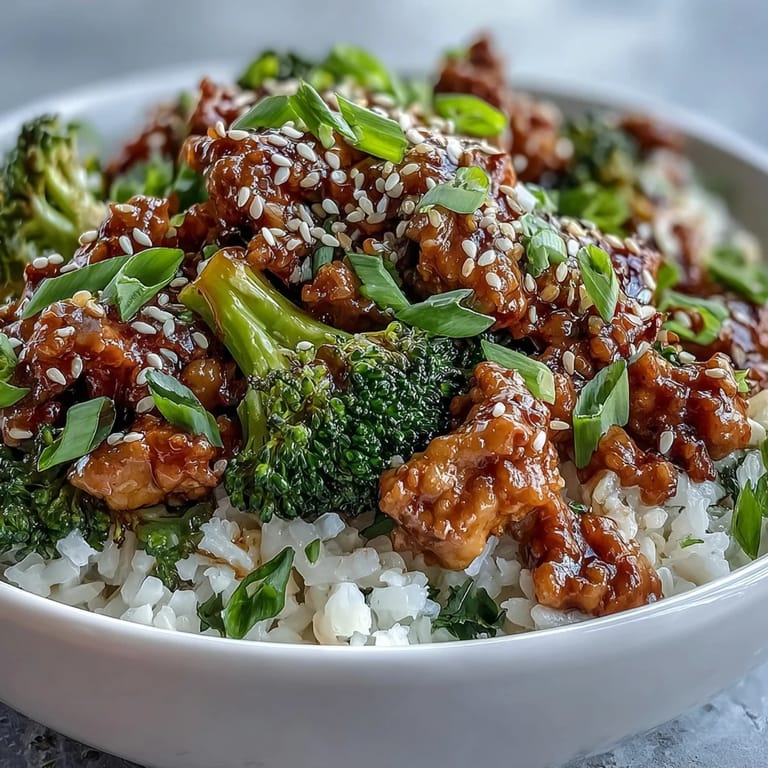
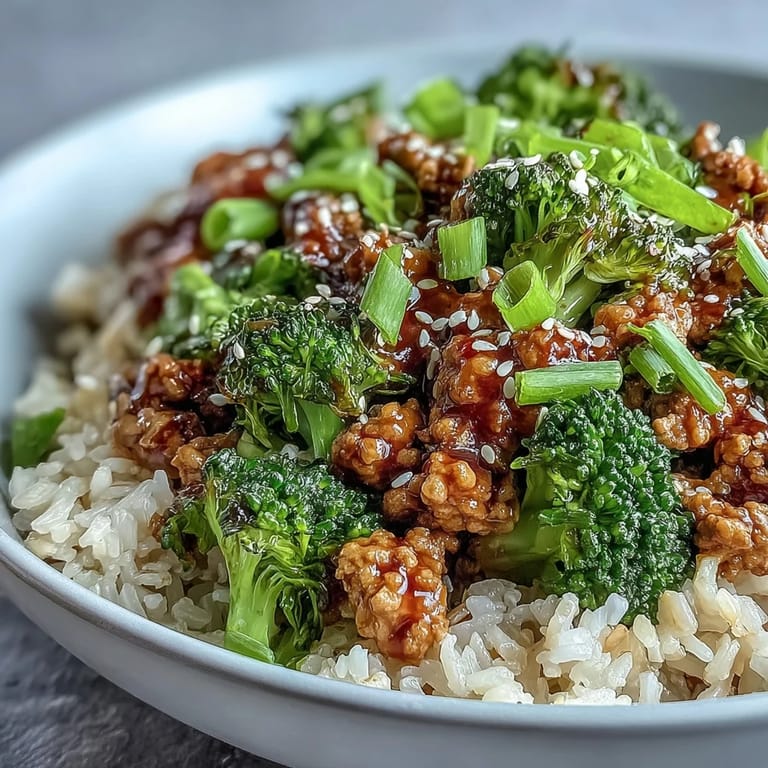
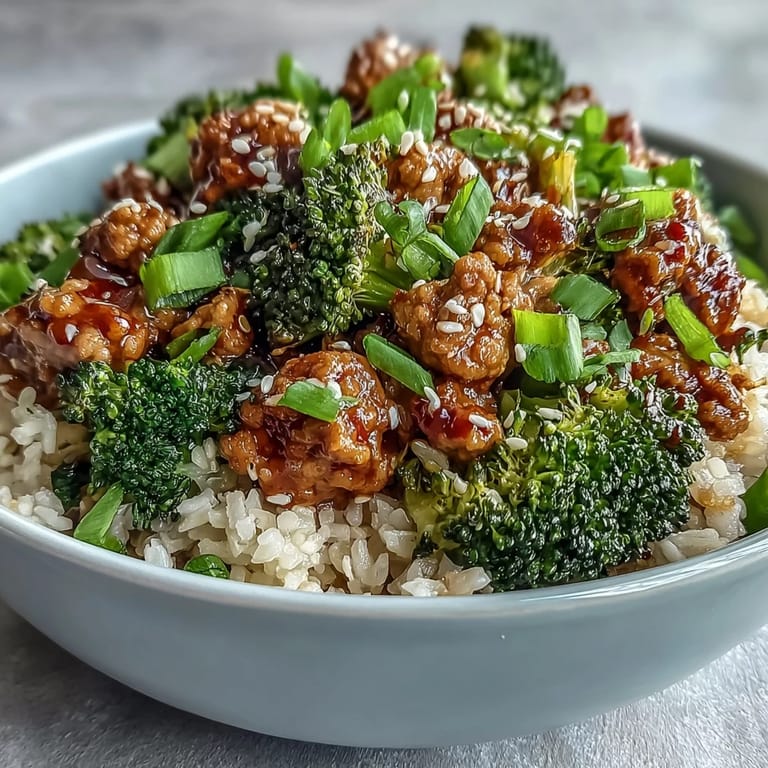
- Divide the rice among four bowls, then top with the glazed turkey and steamed broccoli. Finish with a scatter of green onion and sesame seeds, because you eat with your eyes first.
 Save
Save One Sunday I made a triple batch of these bowls, packed them into glass containers, and stacked them in the fridge like edible insurance against the week ahead. By Thursday I was reheating the last one, and it tasted just as good—maybe better—than it did fresh. My coworker saw me eating it at my desk and asked for the recipe, and I realized this dish had quietly become my answer to the question I ask myself every Sunday night: what will actually get me through the next five days without ordering takeout?
Adjusting the Heat
Sriracha is the wild card here, and everyone's tolerance is different. I've served this to friends who asked for extra sauce on the side and others who scraped half of it off their turkey before taking a bite. Start with a tablespoon, taste the glaze before you pour it over the turkey, and adjust up or down depending on whether you want a gentle warmth or a full-on burn. You can always add more heat, but you can't take it back once it's in there.
Swapping the Base
Brown rice is my go-to because I like the chew and the nuttiness, but I've made this with white jasmine rice, cauliflower rice, and even spiralized zucchini when I was trying to cut carbs. Each base changes the texture—cauliflower rice soaks up more sauce, zucchini noodles add a fresh crunch—but the turkey and glaze are forgiving enough to work with whatever you have. If you're meal prepping, stick with brown or white rice because they hold up better in the fridge than the vegetable alternatives.
Making It Your Own
This recipe is a template, not a rule. I've added snap peas, bell peppers, and shredded carrots when I had them lying around, and every version turned out just fine. Sometimes I toss in a handful of cashews for crunch, or swap the turkey for ground chicken or even crumbled tofu if I'm cooking for my vegetarian sister. The glaze is the star, and as long as you've got that sweet-spicy-salty balance, the rest can flex to fit your mood or your crisper drawer.
- Toss in snap peas or bell peppers for extra color and crunch.
- Use ground chicken, pork, or crumbled tofu instead of turkey.
- Top with cashews, peanuts, or crushed red pepper for a different finish.
 Save
Save These bowls have become my weeknight default, the thing I make when I'm too tired to think but still want to feel like I fed myself something real. I hope they do the same for you.
Recipe FAQs
- → How spicy are these turkey bowls?
The heat level is customizable based on your sriracha preference. One tablespoon provides a gentle warmth that builds gradually. Increase to two tablespoons for more pronounced spice or reduce to half for milder flavor. The honey naturally balances the heat, creating a pleasant sweet-spicy harmony rather than overwhelming fire.
- → Can I meal prep these bowls?
These bowls refrigerate exceptionally well for up to 3 days. Store components separately—rice, turkey mixture, and broccoli in their own containers—to maintain optimal texture. Reheat gently in the microwave with a splash of water to refresh the sauce. The flavors often deepen and improve after resting overnight.
- → What vegetables work best as additions?
Bell peppers, snap peas, carrots, or shredded cabbage would complement the Asian-inspired flavors beautifully. Add quick-cooking vegetables like sliced peppers during the final minutes of turkey simmering. Harder vegetables like carrots should be steamed alongside the broccoli. Consider baby spinach or edamame for extra nutrition.
- → Can I use other proteins instead of ground turkey?
Ground chicken works seamlessly as a direct substitute. For a vegetarian version, use crumbled extra-firm tofu or tempeh. Shrimp or sliced chicken breast would also pair well with the honey-sriracha glaze, though cooking times will vary. Adjust the sauce quantity accordingly if using larger protein pieces versus ground meat.
- → How do I make this low-carb or keto-friendly?
Replace the brown rice with cauliflower rice, zucchini noodles, or shirataki rice for a dramatic carb reduction. The turkey and broccoli naturally fit low-carb guidelines. For strict keto, consider substituting the honey with a low-carb sweetener like monk fruit or erythritol, though this slightly alters the glaze's consistency.
- → What gluten-free options work for the soy sauce?
Coconut aminos or tamari make excellent gluten-free substitutes that maintain the savory umami profile. Coconut aminos are slightly sweeter, so you may want to reduce the honey slightly. Tamari provides a closer flavor match to traditional soy sauce. Both are widely available in health food stores and mainstream supermarkets.