 Save
Save I discovered edamame hummus during a sweltering summer potluck when traditional appetizers felt too heavy. The vibrant green color caught my eye first, then the fresh, nutty aroma pulled me in completely. My friend Sarah noticed my multiple trips back to the dip bowl and slipped me the recipe with a wink. Within days, I was blending my own batch in my tiny apartment kitchen, windows open to catch the evening breeze, amazed at how quickly it came together.
Last spring, I brought this hummus to my brothers housewarming party, nestled in a ceramic bowl surrounded by colorful vegetable spears. His roommate, notorious for disliking healthy food, asked for the recipe after his third helping. The bright green dip became a conversation starter, with guests debating whether it was better with pita chips or cucumber slices while I silently noted how much quicker it disappeared than the store-bought varieties.
Ingredients
- Edamame: The star of this show gives the hummus its gorgeous jade color and velvety texture without the need to remove any skins like traditional chickpea versions.
- Tahini: I once tried skipping this to save a trip to the store and deeply regretted it, as it provides that authentic hummus richness that cant be replicated.
- Lemon juice: Fresh is non-negotiable here, as the brightness cuts through the creaminess and brings everything to life.
- Cold water: My secret weapon for achieving that whipped, cloud-like consistency that makes commercial hummus so addictive.
Tired of Takeout? 🥡
Get 10 meals you can make faster than delivery arrives. Seriously.
One email. No spam. Unsubscribe anytime.
Instructions
- Prepare the edamame:
- Bring water to a rolling boil before adding your edamame, watching as they brighten to an almost electric green. The beans should yield easily when pressed between your fingers after about 4-5 minutes.
- Blend the base:
- Listen for the moment when the food processor transitions from chopping to a smooth whirr, indicating youve achieved that perfect consistency. Stop occasionally to scrape down any rebellious bits clinging to the sides.
- Adjust the texture:
- With the machine running, drizzle water through the feed tube, watching the transformation as each tablespoon creates a silkier finish. The hummus will thicken slightly when chilled, so aim for just a touch thinner than your ideal serving consistency.
- Season to taste:
- This is where your preferences shine, so dip in a tasting spoon and consider if it needs more zing from lemon or depth from salt. Trust your palate here.
- Present with flair:
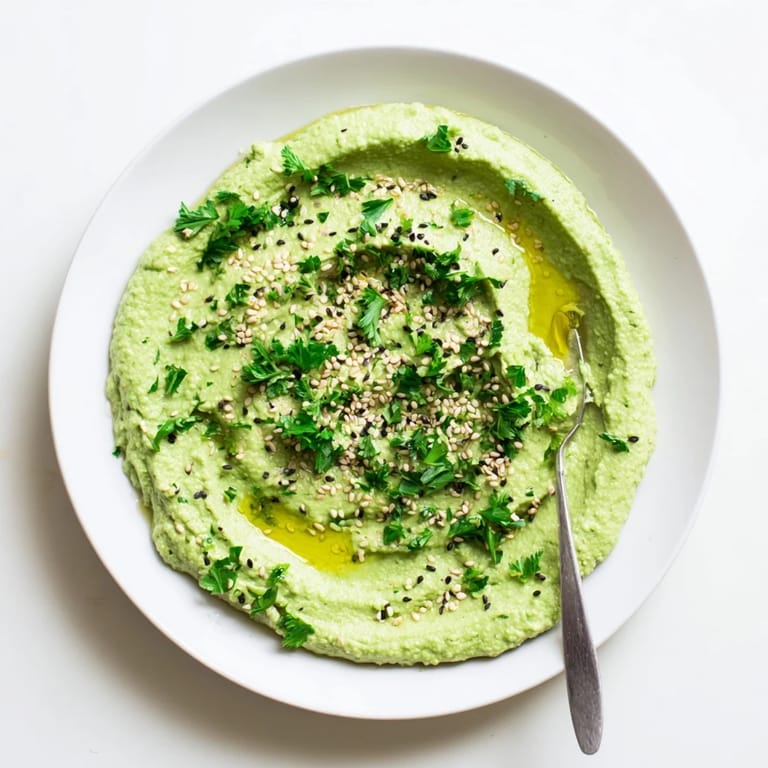
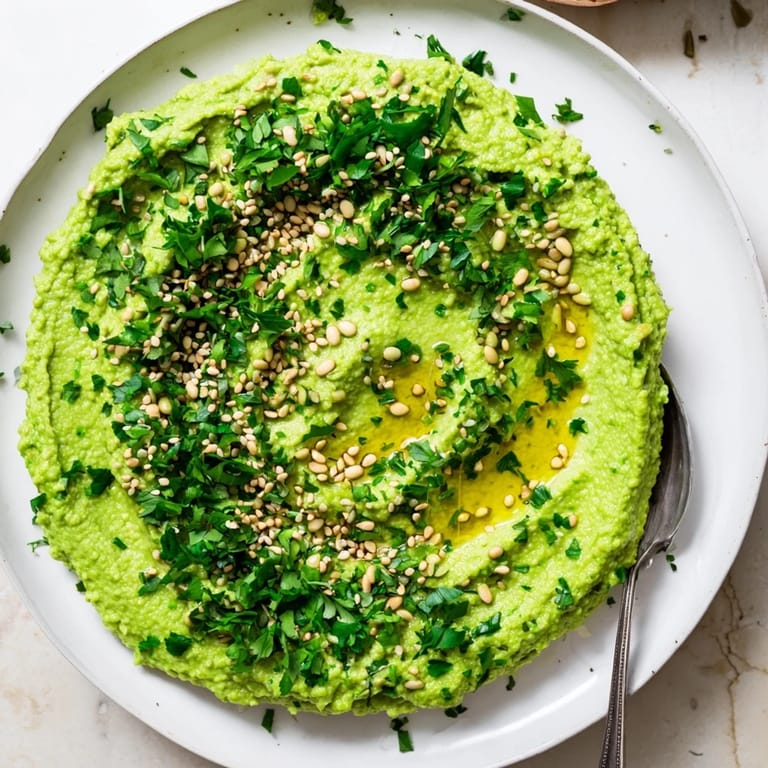
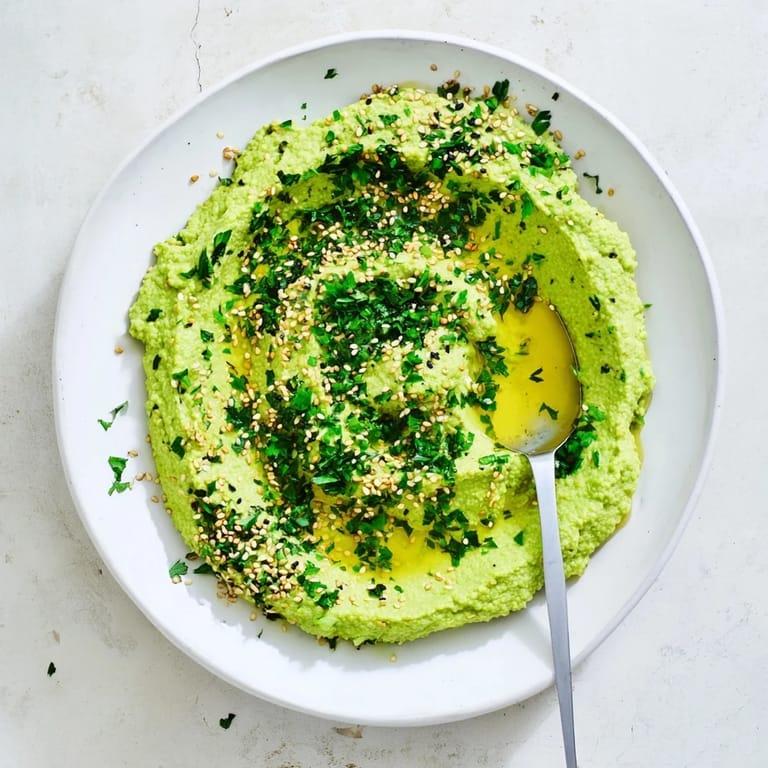
- Create a shallow well in the center with the back of a spoon before drizzling olive oil, watching as it pools like liquid gold. The sesame seeds and parsley add both visual appeal and textural contrast.
 Save
Save One evening, feeling particularly exhausted after a long workday, I spread this hummus on toast topped with sliced radishes instead of cooking a proper dinner. My partner joined me on the couch, and we ended up sharing this impromptu meal while trading stories about our days. Somehow, that simple moment of connection over bright green hummus toast felt more nourishing than any elaborate dinner could have been.
Storage Solutions
Ive learned through multiple forgotten containers that this hummus develops a deeper flavor profile after a day in the refrigerator as the garlic and cumin fully infuse the mixture. Glass containers maintain freshness better than plastic in my experience, and pressing plastic wrap directly onto the surface before sealing prevents that unappetizing skin from forming on top.
Creative Serving Ideas
Beyond the expected dipping vehicles, this vibrant spread has transformed my quick meals in unexpected ways. Dolloped into a grain bowl, it adds creamy protein without the heaviness of meat. Spread inside a wrap with roasted vegetables, it replaces mayonnaise with something far more interesting. My personal favorite discovery was using it as the base for an open-faced breakfast sandwich topped with a soft-boiled egg.
Troubleshooting Tips
After making this recipe dozens of times, Ive encountered nearly every possible pitfall and found simple solutions for each one. If your hummus seems grainy even after extended blending, your edamame likely needed another minute of cooking to fully soften. When faced with a too-thick consistency that strains your food processor, adding ice-cold water rather than olive oil maintains the flavor balance while improving texture.
- If your hummus tastes flat despite following measurements, try adding a tiny pinch of salt and a few drops of lemon juice rather than more oil or tahini.
- For a smoother result, process the garlic and lemon juice first before adding other ingredients to ensure no garlic chunks remain.
- Allow refrigerated hummus to sit at room temperature for 15 minutes before serving to enhance the flavors and texture.
 Save
Save This edamame hummus has become my kitchen confidence builder, the recipe I turn to when I need a guaranteed success. Whether youre making it for yourself or sharing with others, it carries that special quality of food made with care but without fuss.
Recipe FAQs
- → Can I use frozen edamame for this dip?
Yes, frozen edamame works perfectly. Simply cook for 4–5 minutes until tender, then drain and cool slightly before blending. This dip actually comes together faster with frozen edamame since there's no need to shell fresh beans.
- → What's the best way to achieve a smooth consistency?
Blend the edamame, tahini, and flavorings first, then gradually drizzle in cold water while the food processor is running. Add water one tablespoon at a time until you reach your desired creaminess. Patience and pausing to scrape down the sides ensures a silky texture.
- → How long does this dip keep in the refrigerator?
Store this dip in an airtight container for up to four days. The flavors actually deepen slightly over time, making it great for meal prep. Keep it chilled and give it a quick stir before serving if separation occurs.
- → Can I customize the flavors?
Absolutely. Enhance the base by adding smoked paprika, cayenne pepper, or cumin for depth. Swap parsley for fresh cilantro for a different herbaceous note, or experiment with roasted red peppers for a colorful variation.
- → Is this suitable for people with sesame allergies?
This dip contains sesame in the form of tahini and sesame seed garnish. If you have a sesame allergy, substitute tahini with sunflower seed butter and omit the sesame seed topping. Always check packaged ingredients for potential cross-contamination warnings.
- → What are the best serving options?
Serve with warm pita chips, crisp vegetable sticks like carrot, cucumber, and bell pepper, or crackers for dipping. It also works wonderfully as a spread for wraps, sandwiches, or grain bowls. A final drizzle of olive oil and fresh herbs elevates presentation.