 Save
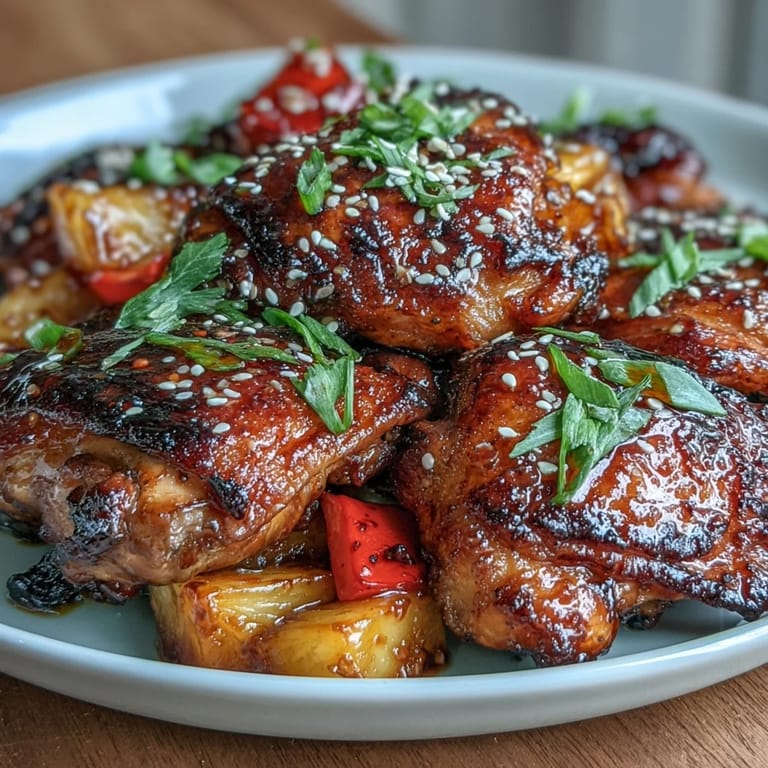
Save There's something about the sizzle of chicken hitting hot oil that makes me pause whatever I'm doing in the kitchen. One weeknight, I was craving something with tropical sweetness but didn't want to spend hours cooking, so I threw together honey, garlic, and pineapple in a skillet and stumbled onto this dish by accident. The way the sauce caramelizes and clings to the chicken thighs is nothing short of magic, and my kitchen smelled so good that my partner kept wandering in asking when dinner would be ready.
I made this for friends who were skeptical about pineapple in a savory dish, and watching their faces when they tasted it was worth the whole effort. Someone asked for the recipe before dessert even came out, and I realized right then that this wasn't just dinner—it was the kind of dish people actually want to cook again at home.
Ingredients
- Chicken thighs: These are more forgiving than breasts and stay moist through the cooking process, soaking up every bit of that glaze.
- Honey: The backbone of your sauce, bringing natural sweetness that balances the garlic and vinegar beautifully.
- Soy sauce: Adds umami depth and saltiness that ties the whole dish together.
- Rice vinegar: Cuts through the sweetness with a gentle tang that keeps everything from being cloying.
- Fresh garlic and ginger: Mince the garlic fine so it distributes evenly throughout the sauce, and don't skip the ginger—it adds warmth and complexity.
- Sriracha or chili garlic sauce: Optional but worth it if you like a little heat lurking underneath the sweetness.
- Fresh pineapple chunks: If you can find them, they caramelize better than canned, but drained canned works in a pinch.
- Bell peppers: They add color, sweetness, and a slight crunch that contrasts nicely with the tender chicken.
- Cornstarch: A light dusting helps the chicken develop that golden crust when seared.
- Sesame seeds and green onions: These are your final flourish, adding nutty aroma and fresh brightness to each bite.
Tired of Takeout? 🥡
Get 10 meals you can make faster than delivery arrives. Seriously.
One email. No spam. Unsubscribe anytime.
Instructions
- Prep your chicken:
- Pat the thighs dry with paper towels so they sear properly and develop that golden crust. Season generously with salt and pepper, then dust lightly with cornstarch, shaking off any excess so you're not coating them—just a whisper of starch makes the difference.
- Build your sauce:
- Whisk the honey, soy sauce, rice vinegar, minced garlic, grated ginger, and sriracha together in a small bowl. Let it sit while you work on the chicken so the flavors start mingling.
- Sear the chicken:
- Heat oil in your skillet over medium-high heat until it shimmers, then lay the chicken thighs skin-side down. You'll hear them sizzle immediately—don't move them for 3 to 4 minutes so they get golden and crispy on that first side, then flip and do the same on the other side.
- Caramelize the vegetables:
- Remove the chicken to a plate and add the bell peppers and pineapple to the same skillet with all those browned bits stuck to the bottom. Let them cook for 3 to 4 minutes, stirring occasionally, until the edges of the peppers soften and the pineapple starts to caramelize and deepen in color.
- Bring it together:
- Return the chicken to the skillet and pour that glossy sauce all over everything. Cover and reduce the heat to medium, then let it simmer gently for 10 to 12 minutes, turning the chicken once halfway through so it cooks evenly. The sauce will thicken as the honey and cornstarch work together, and the chicken should be cooked through with an internal temperature of 165°F.
- Finish the glaze:
- Uncover the skillet and cook for another 2 to 3 minutes if the sauce still looks thin—you want it to coat the back of a spoon and cling to everything in the pan. This is when it looks like restaurant-quality food and smells even better.
- Plate and garnish:
- Scatter green onions and sesame seeds over the top for color and that final toasted aroma, then serve it hot over steamed rice, jasmine rice, or quinoa if you prefer something lighter.
 Save
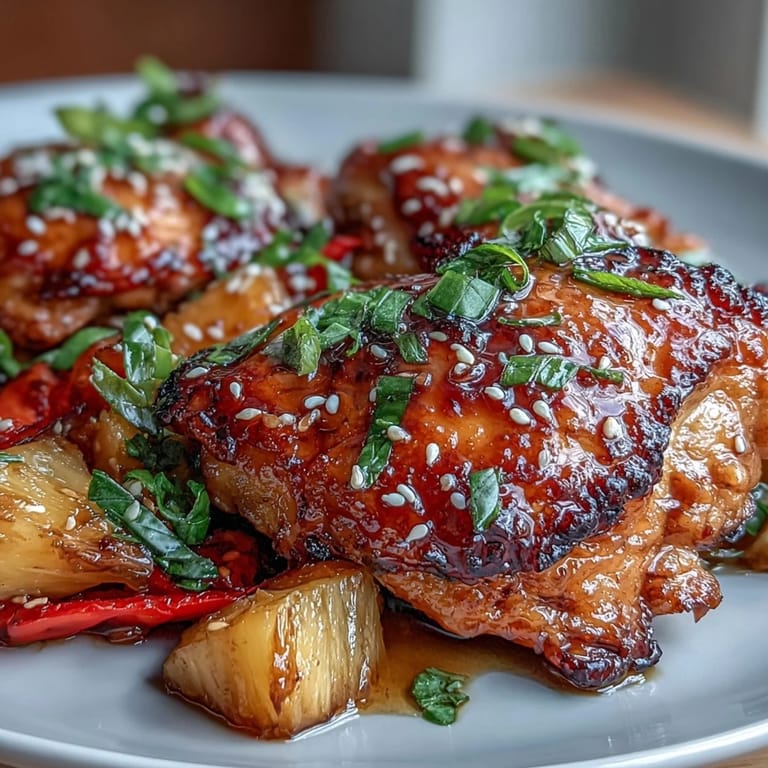
Save There's a moment right before you pour that sauce over the seared chicken when you realize how simple this all is, and how something so straightforward can taste like you've been cooking all day. That's when cooking stops being a task and starts being something you actually want to do again tomorrow night.
Why Chicken Thighs Win Every Time
I used to avoid chicken thighs because I thought they were messier or required more technique, but they're actually the most forgiving cut in the whole bird. They have more fat marbled through the meat, so even if you accidentally overcook them slightly, they stay juicy and tender instead of turning into dry, sad chicken. The darker meat also takes on flavors more readily than breasts do, which means every bite is seasoned through and through rather than relying entirely on a surface sauce.
The Magic of One-Skillet Cooking
There's real wisdom in cooking everything in one pan—not just because cleanup is easier, though that's a blessing. Every ingredient touches the bottom of the skillet at some point, picking up the browned bits and caramelized edges from whatever cooked before it, building layers of flavor that you simply can't get by cooking things separately. The pineapple juice mingles with the chicken drippings, the garlic infuses the peppers, and by the time the sauce comes together, everything tastes like it was meant to be there.
Customizing Without Losing the Soul
The beautiful thing about this dish is that it's flexible enough to work with what you have on hand, but structured enough that you can't really go wrong. You can swap in chicken breasts if that's what's in your fridge—just watch them more closely since they cook faster and dry out more easily. Add snap peas, broccoli, or mushrooms for extra vegetables, use tamari instead of soy sauce for a gluten-free version, or dial up the sriracha if your household likes things spicy. The honey-garlic-vinegar balance is what makes this work, so keep that core sauce the same and everything else is fair game.
- Frozen pineapple chunks work perfectly fine if fresh isn't available—just thaw and drain them first.
- Make the sauce the night before and store it in the fridge; it actually tastes better as the flavors marry overnight.
- This reheats beautifully, so it's a great candidate for meal prep if you're cooking for the week ahead.
 Save
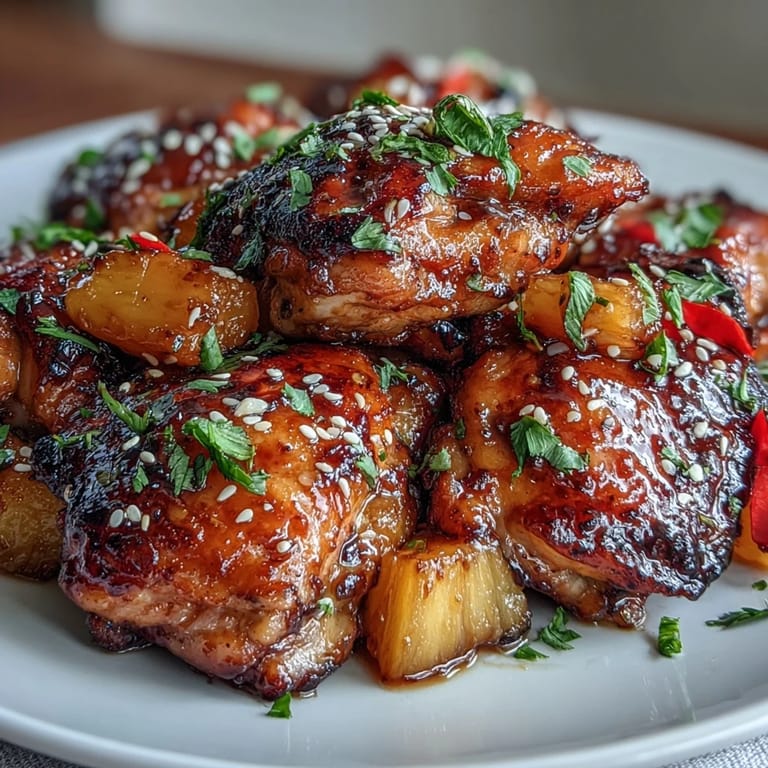
Save This recipe taught me that some of the best meals come from not overthinking things, from trusting that good ingredients in the right proportion will take care of themselves. Serve it, watch people eat, and enjoy knowing you made something that tastes better than it has any right to given how simple it is.
Recipe FAQs
- → Can I use chicken breasts instead of thighs?
Yes, chicken breasts can be substituted, but reduce cooking time to prevent drying out. Adjust simmering accordingly for tenderness.
- → How do I make the sauce thicker?
Simmering the sauce uncovered towards the end helps it reduce and thicken to a sticky glaze. Adjust heat to avoid burning.
- → What can I add for extra vegetables?
Snap peas, broccoli, or additional bell peppers work well and add texture and color to the dish.
- → Can I make it gluten-free?
Substitute low-sodium tamari for soy sauce to keep the dish gluten-free without sacrificing flavor.
- → What side dishes pair well with this meal?
Steamed jasmine rice or quinoa complement the flavors, soaking up the sticky sauce for a balanced meal.