 Save
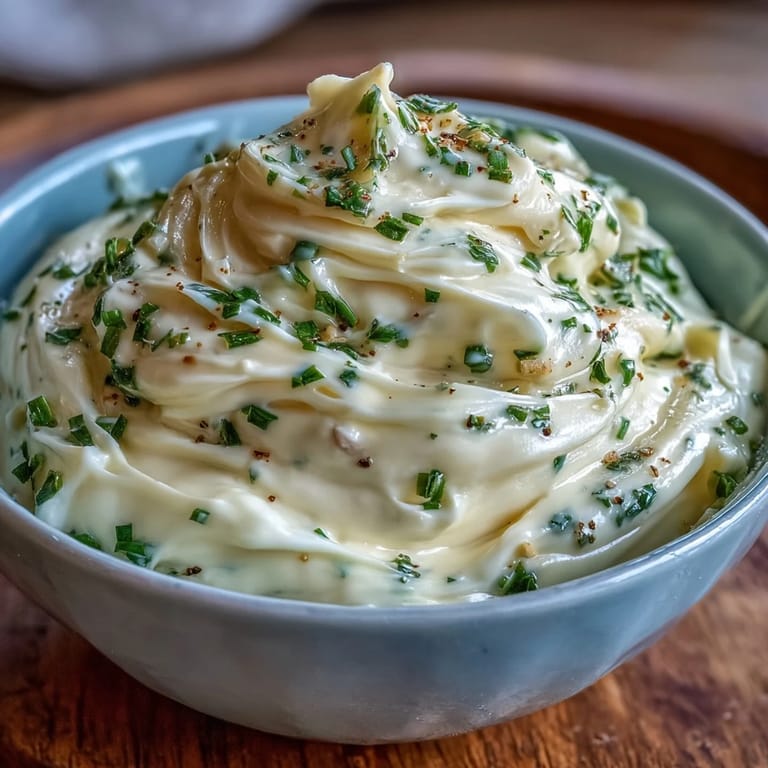
Save The first time I made garlic aioli from scratch, it was more about curiosity than culinary ambition—the rhythmic sound of whisking echoed in my kitchen as I wondered if the oil would really come together. The aroma of fresh garlic hanging in the air signaled that something special was underway. The process felt almost magical: humble ingredients transformed into a creamy spread right before my eyes. It’s a moment when the kitchen feels alive, the bowl cradled in one hand and a steady whisk in the other. While I’ve made many sauces since, aioli still stands out as the one that brings people closer with every bite.
I remember making this aioli for a summer picnic, and everyone gathered around the bowl, dipping veggies and seafood with delight—someone even insisted it was better than any bought sauce. The sun was hot, the mood was light, and the tangy richness of homemade aioli sparked conversations, laughter, and hungry anticipation. We ran out long before the food did, and I quietly promised myself I’d bring double next time. That day proved how a simple homemade dip can create a shared moment. There’s always a little extra joy when your kitchen creation becomes the star of the table.
Ingredients
- Egg yolk (1 large, room temperature): Ensures a creamy, smooth texture—let it sit out for a bit before you start for easy emulsifying.
- Dijon mustard (1 teaspoon): Adds subtle tang and helps the emulsion hold together, never skip it.
- Fresh lemon juice (1 tablespoon): Brightens and balances, I always squeeze mine right before mixing for the freshest flavor.
- Neutral oil (1 cup/240 ml): Sunflower or canola keeps the flavor clean, and pour it slowly for that signature silky consistency.
- Garlic cloves (2–3, finely minced or grated): Garlic’s heart is the aioli’s soul—I use a microplane for the most aromatic punch.
- Sea salt (1/2 teaspoon): Layers in the flavor, and I sprinkle in a bit extra if veggies are bland.
- Freshly ground black pepper (to taste): Pepper finishes things with assertive warmth, one or two grinds is usually perfect.
Tired of Takeout? 🥡
Get 10 meals you can make faster than delivery arrives. Seriously.
One email. No spam. Unsubscribe anytime.
Instructions
- Blend the base:
- Set your mixing bowl steadily and whisk together the egg yolk, mustard, and lemon juice until the mixture turns glossy and slightly thick—feel for the resistance as the sauce comes alive.
- Slowly pour the oil:
- Add oil drop by drop at first, whisking constantly—be patient, the transformation is worth it, and the mixture will slowly thicken and lighten in color.
- Add flavor, stir and season:
- Once all oil is incorporated and the aioli is thick, fold in the garlic, sea salt, and pepper; breathe in the scent and taste for punch and brightness, adjusting as needed.
- Finish and chill:
- Scoop the finished aioli into a small jar or bowl, then cover and let it chill in the fridge for up to three days so flavors can meld.
 Save
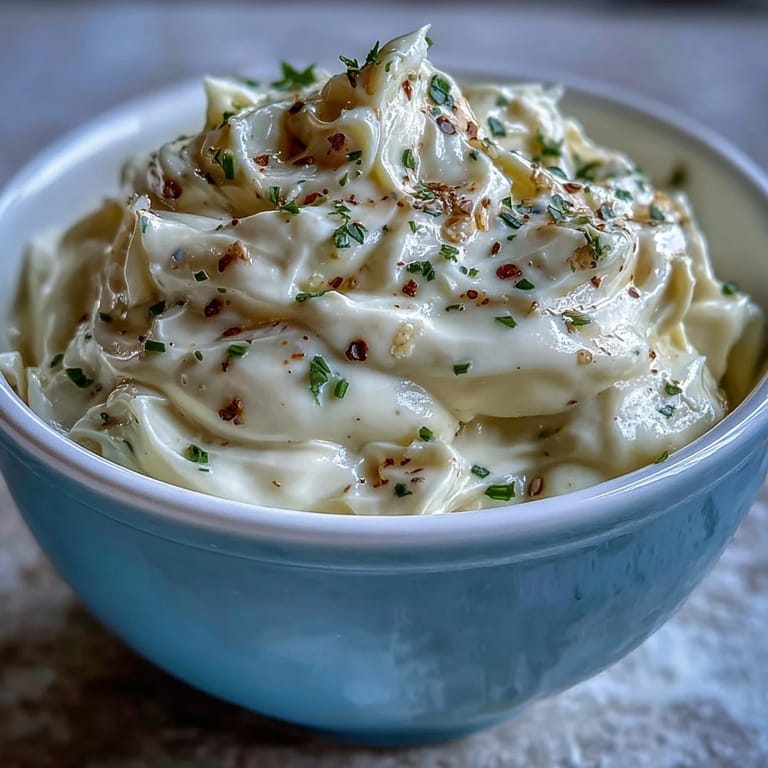
Save The night aioli became more than a sauce for me, it was served at an impromptu dinner with friends—someone spread it on toasted bread, and suddenly, everyone wanted the recipe. It’s now a reminder that little kitchen triumphs sometimes spark new traditions and memories.
Handy Swaps and Variations
Ran out of eggs or cooking for vegan friends? Using aquafaba works surprisingly well—just increase the mustard a tad for stability. Roasted garlic or a pinch of smoked paprika can mellow or jazz up the flavor. Sometimes chopped fresh herbs like parsley will lift the aioli without masking its base.
Essential Tools You’ll Need
I used to try making aioli with a fork when my whisk was missing, but a proper whisk makes all the difference. A microplane turns garlic into a paste that blends seamlessly, and measuring spoons avoid uneven results. The right bowl—wide and stable—helps keep everything safe while you work.
Serving Ideas to Impress
A classic for fries or roasted potatoes, this aioli is dazzling as a dip for steamed asparagus or grilled shrimp—and magical on a sandwich. Serve in a small chilled bowl to keep it lively and presentable at the table.
- Garnish with fresh herbs for color and extra flavor.
- Pair with spicy foods for cooling contrast.
- If making ahead, cover tightly to keep it from drying out and absorbing fridge smells.
 Save
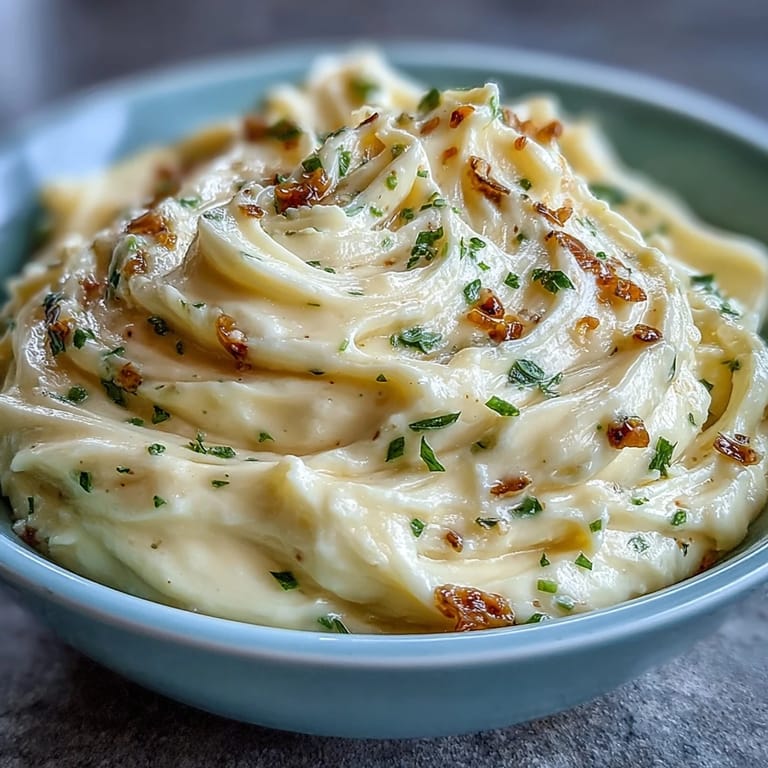
Save Aioli truly tastes best when shared—it’s a humble yet bold reminder that small kitchen gestures can create lasting moments. Let your next batch fuel laughter, good conversation, and delicious memories.
Recipe FAQs
- → How can I make the garlic flavor milder?
Roasted garlic can be substituted for raw to create a gentler, sweeter flavor profile in the aioli.
- → Is there a vegan alternative?
Swap the egg yolk for aquafaba and increase mustard to achieve a plant-based creamy texture and taste.
- → What oil is best to use?
Neutral oils such as sunflower or canola allow the garlic and lemon flavors to shine without overpowering the aioli.
- → How long does it keep in the fridge?
Stored in a covered container, homemade aioli stays fresh for up to three days in the refrigerator.
- → What dishes does garlic aioli complement?
Aioli pairs wonderfully with fried potatoes, vegetables, seafood, and as a spread for sandwiches.