 Save
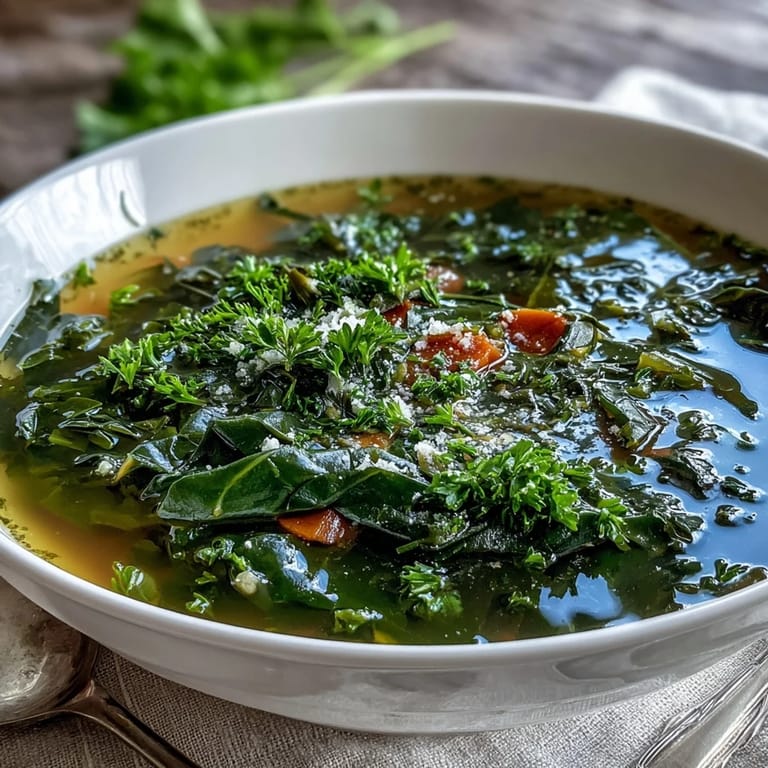
Save My neighbor brought over a bunch of Swiss chard from her garden one September evening, and I honestly wasn't sure what to do with it at first. The leaves were huge and vibrant, almost intimidating in their greenness, but she mentioned her grandmother's simple soup and suddenly I was curious. That night, I made my first pot, and the kitchen filled with this warm, garlicky steam that made everything feel intentional and calm. Now whenever I see chard at the market, I think of how something so humble can become genuinely comforting.
I made this soup on a Tuesday when my partner was stuck in meetings all day, and I wanted something waiting for them that felt like an embrace in a bowl. When they came home and smelled it, they just sat down at the kitchen table without even taking their coat off, and we shared the whole pot between us while talking about nothing important. That's when I realized this soup had become one of those dishes that does more than fill your stomach.
Ingredients
- Swiss chard (about 400 g): Separate the stems from the leaves before chopping, since the stems need a head start in cooking to become tender enough to enjoy.
- Yellow onion, carrot, and celery: These three form the aromatic base that gives the soup its backbone without being obvious or heavy.
- Garlic (3 cloves): Mince it finely so it dissolves into the broth and seasons everything evenly as it cooks.
- Vegetable broth (1.2 liters): Use good quality broth if you can, or make your own, because it's the main voice in this quiet soup.
- Olive oil (2 tablespoons): This carries the flavor of the garlic and vegetables, so don't skip it or substitute it with something neutral.
- Sea salt and black pepper: Start with what the recipe says, but taste as you go because your broth may already be seasoned.
- Red pepper flakes: Optional, but they add a gentle warmth that wakes up your palate without making the soup spicy.
- Lemon juice: This brightens everything at the end and keeps the soup from tasting one-note or dull.
- Fresh parsley and Parmesan: Both are finishing touches that make the difference between good soup and soup that feels intentional.
Tired of Takeout? 🥡
Get 10 meals you can make faster than delivery arrives. Seriously.
One email. No spam. Unsubscribe anytime.
Instructions
- Start your aromatics:
- Heat the olive oil in a large pot over medium heat, then add the onion, carrots, and celery. Let them soften for about five to six minutes, stirring occasionally, until they're fragrant and the onion becomes translucent at the edges. You're building flavor here, so don't rush it.
- Wake up the chard stems:
- Stir in the minced garlic and chopped chard stems, letting them cook for two or three minutes until the kitchen smells unmistakably like garlic and growing things. The stems will begin to soften slightly, which means they're ready for the leaves.
- Bring in the greens and broth:
- Add the chopped chard leaves, vegetable broth, salt, pepper, and red pepper flakes if you're using them. Bring the whole pot to a gentle boil, which takes about five to seven minutes, then lower the heat to a simmer.
- Let everything meld:
- Simmer uncovered for fifteen to twenty minutes, until the vegetables are very tender and the flavors have had time to get to know each other. The soup will smell sweeter and more developed than it did at the start.
- Finish with brightness:
- Stir in the lemon juice and fresh parsley, then taste and adjust the salt and pepper as needed. This is your moment to make it exactly right for your palate.
- Serve and garnish:
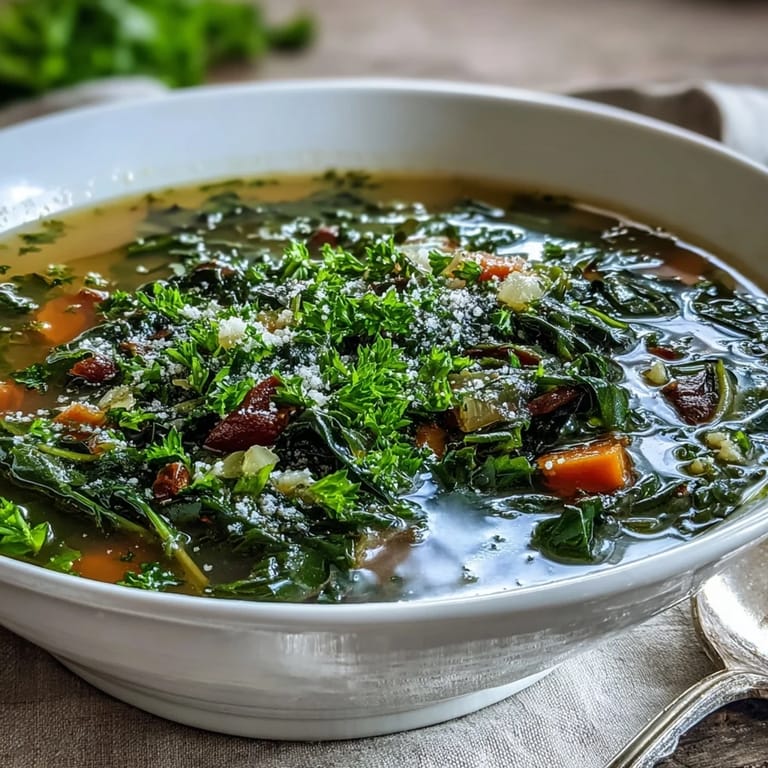
- Ladle the soup into bowls and top with grated Parmesan if you'd like, or a drizzle of good olive oil, or just enjoy it as is. Serve while it's hot enough to warm your hands on the bowl.
 Save
Save I remember my daughter asking if she could help make this one afternoon, and instead of doing it myself, I let her chop the softer vegetables with a kid's knife while I handled the harder parts. Watching her taste the finished soup and say it was hers somehow made it taste better to both of us. That's when I understood that cooking something this simple for people you care about is really where the magic lives.
Making It Heartier
If you want more substance in the bowl, stir in a drained can of white beans during the last few minutes of simmering, or add a diced potato along with the carrots at the very beginning. I've done both, and they both work beautifully without changing the essential character of the soup. A potato makes it earthier and more filling, while beans add a gentle creaminess that makes it feel almost luxurious.
Adapting for Different Tables
This soup naturally happens to be vegetarian and gluten-free, which makes it welcoming for so many different people and situations. If you're cooking vegan, just leave off the Parmesan or use a plant-based version that you like. The soup stands on its own flavor, so it's really forgiving about what you leave out or put in instead.
Small Kitchen Wisdom
I've learned that the best soups are the ones you keep coming back to, not because they're complicated or impressive, but because they're honest and they work. This is one of those soups that teaches you something about cooking if you pay attention: how vegetables talk to each other in broth, how lemon brightens everything, how patience and time do most of the work.
- If you have fresh herbs beyond parsley, like dill or basil, try them as a garnish and see what you discover.
- Leftover soup keeps beautifully in the refrigerator for three or four days, and tastes even better the next day.
- Make a double batch and freeze half in containers, so you have comfort waiting whenever you need it.
 Save
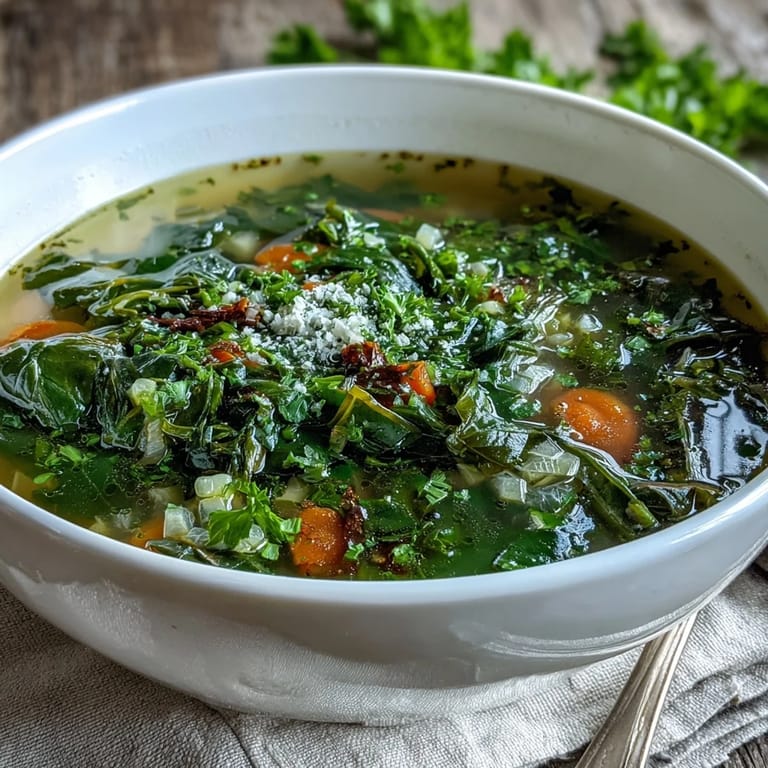
Save This soup has quietly become one of those dishes I reach for when I want to feel grounded and when I want to feed someone with something true. Make it once and it'll probably become one of yours too.
Recipe FAQs
- → Can I use other leafy greens instead of Swiss chard?
Yes, spinach, kale, or beet greens work well as substitutes. Adjust cooking time slightly since kale may need longer while spinach cooks faster.
- → How long does this soup keep in the refrigerator?
The soup stores well for 3-4 days in an airtight container. The flavors continue to develop, making it even better the next day.
- → Can I freeze this Swiss chard soup?
Yes, freeze for up to 3 months. Leave out the Parmesan when freezing and add fresh upon reheating for best texture and flavor.
- → What can I add to make it more filling?
White beans, diced potatoes, or small pasta shapes like orzo or ditalini make excellent additions while maintaining the soup's character.
- → Is this soup suitable for meal prep?
Absolutely. The soup reheats beautifully and actually improves after sitting. Make a batch on Sunday for easy lunches throughout the week.