 Save
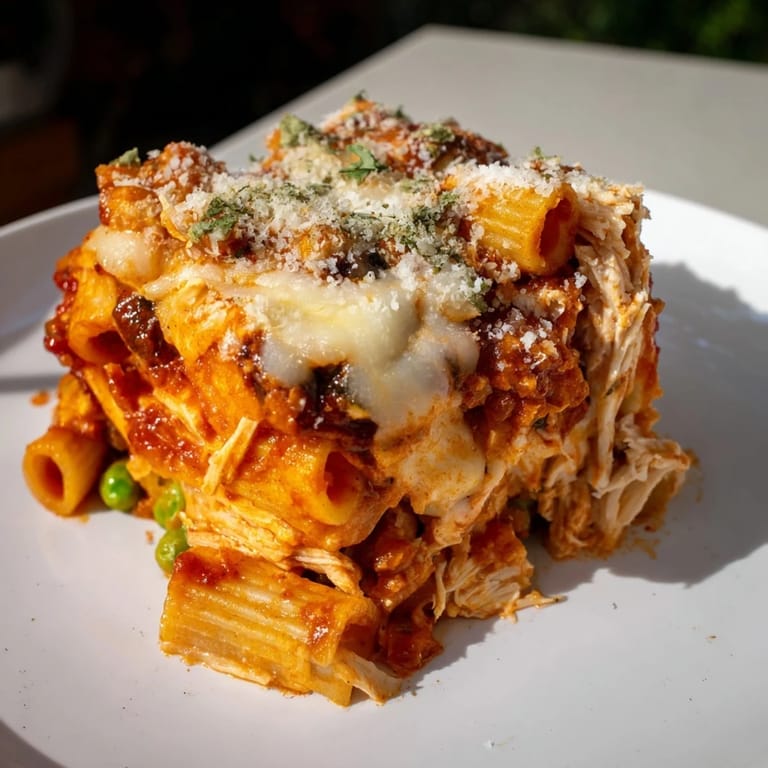
Save There's something about the day after the holidays when the fridge is full of good intentions and leftover turkey that I realized this casserole was born. I was standing in my kitchen at noon, staring at a container of gravy, some shredded turkey, and wondering how to make it feel like dinner and not just reheated sadness. The answer came when I remembered that the best comfort foods often hide their magic in the middle—layers that do the work while you're not looking. This casserole became my answer to turning those random containers into something that tastes like it took hours but asks for just one.
I made this for my sister's small dinner party once, and what I remember most wasn't the compliments but the sound of forks scraping plates—that honest clinking that means people aren't thinking about manners anymore. She asked for the recipe before dessert was even served, and I watched her take mental notes as I talked her through the gravy layer trick. That night, this casserole stopped being just something I made and became something we made together.
Ingredients
- Penne or rigatoni: The tubes and ridges catch the sauce and gravy, so don't swap for something smooth or you'll lose half the flavor.
- Turkey or chicken gravy: This is the soul of the whole thing—homemade is richer but store-bought works and sometimes tastes better because you didn't have to fuss with it.
- Cooked turkey breast: Shred it if you want it to melt into the pasta, chop it if you want bites you can feel.
- Mozzarella, cheddar, and Parmesan: Three cheeses might sound like too much until you taste the first bite and understand the layers—mild, sharp, nutty all at once.
- Onion and garlic: Cook these long enough and they become sweet and soft instead of raw or aggressive.
- Frozen peas: Optional but they're my quiet rebellion against the idea that comfort food has to be all brown and beige.
- Whole milk and flour: This makes a quick sauce that holds everything together without feeling heavy.
Tired of Takeout? 🥡
Get 10 meals you can make faster than delivery arrives. Seriously.
One email. No spam. Unsubscribe anytime.
Instructions
- Get everything ready first:
- Preheat your oven to 190°C and grease that baking dish so you're not fumbling with it later. Cook your pasta in salted water just until it still has a little fight to it—al dente means it'll cook again in the oven and not turn to mush.
- Build the base sauce slowly:
- Heat olive oil and let the onion soften completely, then add the garlic just for a minute so it doesn't burn and turn bitter. The flour goes in next and should toast slightly before you add the milk, whisking constantly so you don't end up with lumps.
- Layer like you mean it:
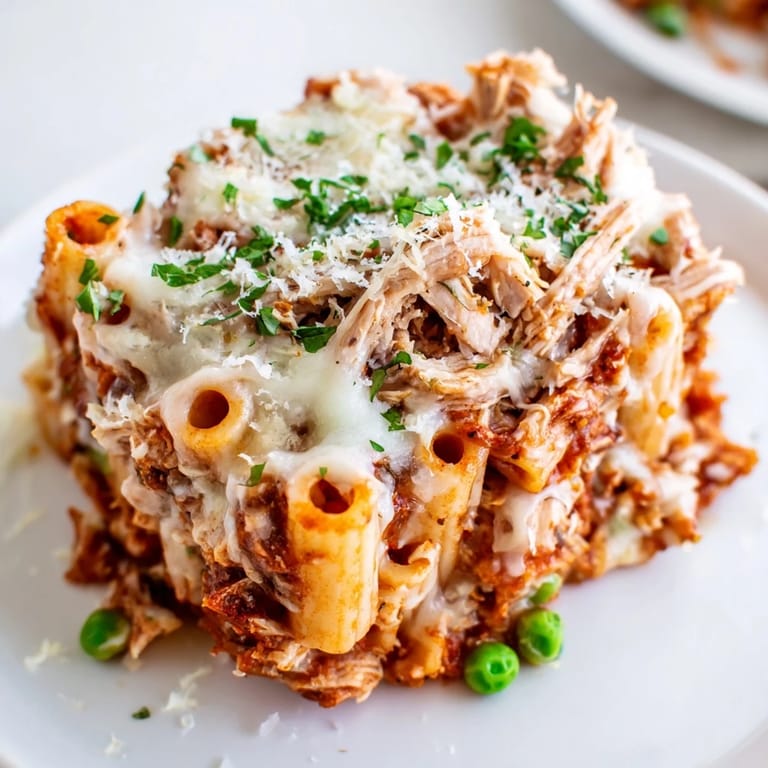
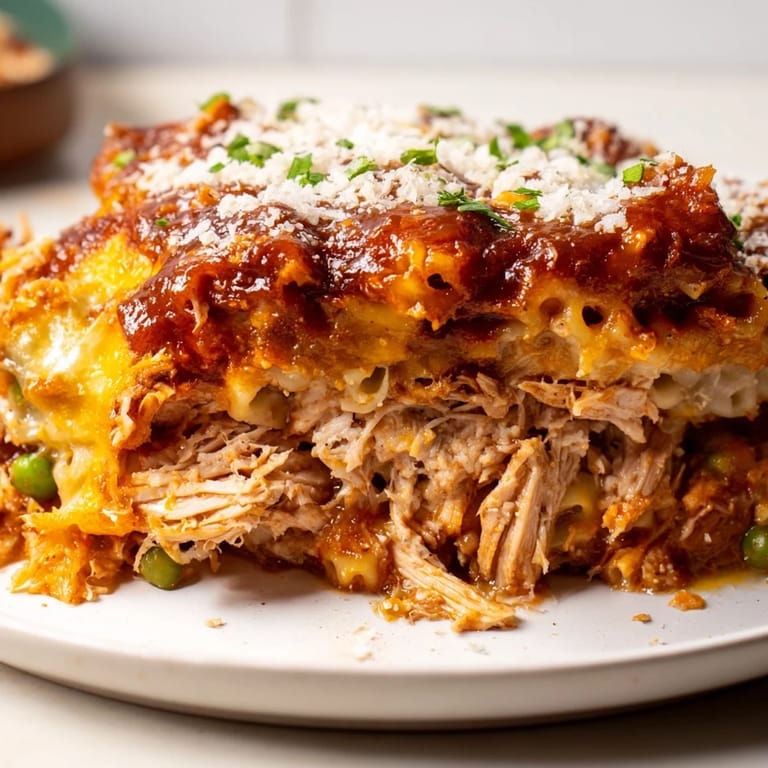
- Half the pasta mixture goes down first, then you pour that gravy across the middle like you're drawing a flavor map. It'll soak down and create that signature moist center that makes people ask for seconds.
- Top and bake until golden:
- The remaining pasta goes on top with all three cheeses scattered over it, and the oven does the final work for 30 to 35 minutes until everything is bubbling at the edges and golden on top.
 Save
Save I remember one winter afternoon when my neighbor stopped by just as this casserole came out of the oven, and the kitchen filled with that smell that makes you forget everything else for a moment. I ended up giving her the whole thing because she looked like she needed comfort more than I did, and somehow that felt like the right answer. Since then, whenever I make it, I think about how the best food often leaves your own table to feed someone else's moment.
Why This Works as Leftovers
This is one of those rare dishes that doesn't apologize for being reheated—in fact, it gets better. The cheese firms up, the gravy redistributes, and every bite tastes like you planned it that way. Cover it loosely with foil and warm it at 160°C for about 15 minutes, and it tastes almost like the first time.
When You Want to Make It Your Own
The template here is flexible enough that you can swap in roast chicken or even cooked ham if that's what you have. Sautéed mushrooms add an earthy depth, fresh spinach wilts in and disappears into the pasta, and if you have time, caramelized onions instead of regular ones will make the whole thing taste more restaurant-quality. The point is that this casserole is forgiving enough to work with what's actually in your kitchen instead of what a recipe demands.
Making It Work for Your Table
Serve this with a simple green salad to cut through the richness, and crusty bread to catch what pools on the plate. A glass of something crisp alongside makes the whole meal feel less like reheating and more like dinner you actually planned. If you're feeding people with dietary needs, it's easy to swap in gluten-free pasta and flour without losing anything that makes it good.
- Let people serve themselves from the casserole dish if you can—there's something about spooning out your own portion that makes it taste like home.
- The edges get crispier than the center, so dig around for the texture you love most.
- Have extra Parmesan at the table because everyone always wants more.
 Save
Save This casserole has fed me through ordinary Tuesdays and emergency dinners, and it's never once let me down. It's the kind of recipe that becomes part of your life instead of just something you make once.
Recipe FAQs
- → What type of pasta works best?
Penne or rigatoni are ideal as they hold the layers and soak up the gravy well.
- → Can I substitute the turkey?
Absolutely, roast chicken can be used as an alternative, offering similar flavor and texture.
- → How do I achieve the signature moist center?
The secret is pouring warm gravy over the first pasta layer before adding the top, ensuring a wonderfully moist interior.
- → Are there vegetable options to add?
Sautéed mushrooms, spinach, or peas blend well for extra nutrients and flavor.
- → Can this dish be made gluten-free?
Use gluten-free pasta and substitute regular flour with a gluten-free alternative in the sauce.