 Save
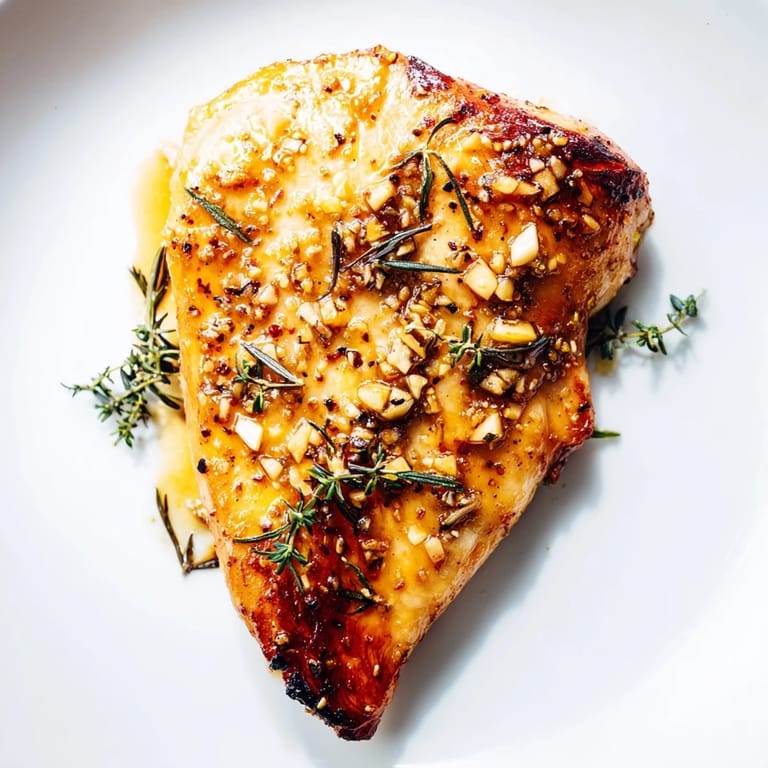
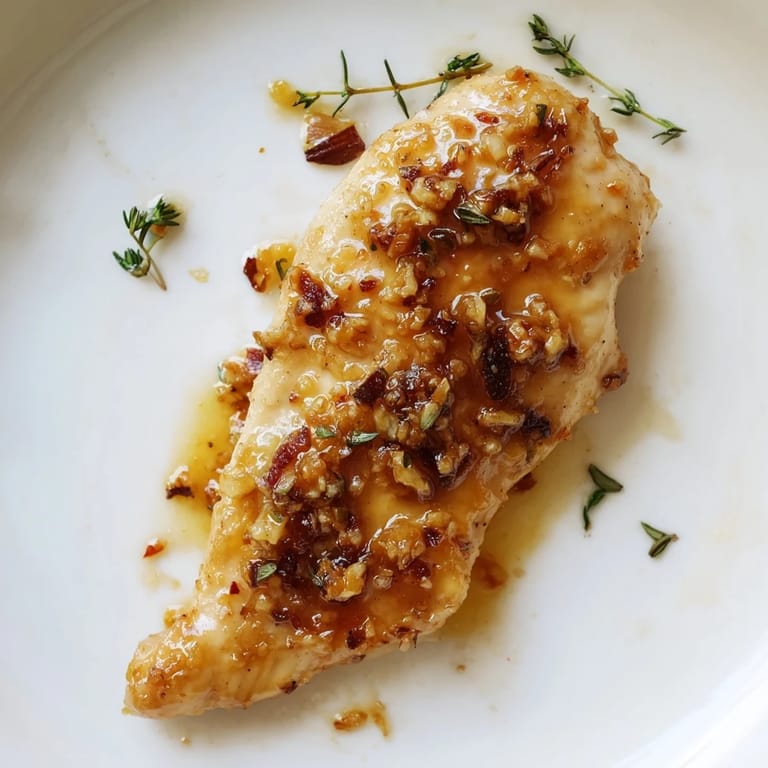
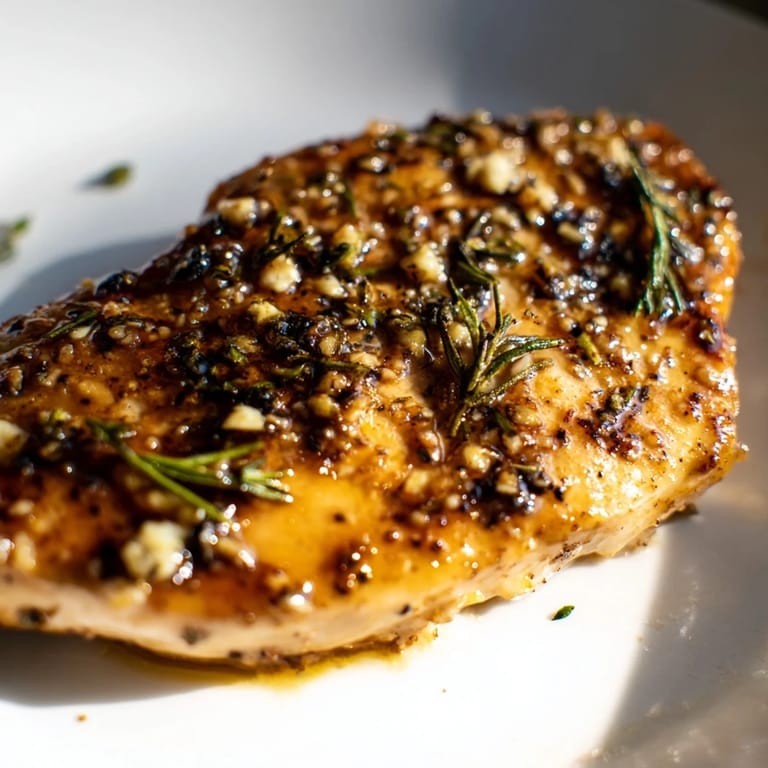
Save The smell of garlic hitting a hot pan always pulls me back into the moment, no matter how frantic the evening has been. I threw this skillet together on a Tuesday when I had exactly zero energy and a fridge full of random staples. The honey jar was sticky, the mustard nearly empty, but somehow it all came together in under forty minutes. My kitchen smelled like a bistro, and I felt like I had pulled off something far fancier than I deserved credit for. That first bite, with the glossy sauce clinging to the chicken, made me forget I was eating dinner alone in sweatpants.
I made this for my sister when she came over exhausted from a long shift, and she sat at my counter in silence for a full minute after her first forkful. She looked up and said, you made this? Like I had somehow transformed into someone who meal plans and uses fresh herbs intentionally. I shrugged, but inside I was grinning because it really did feel like I had cracked some kind of weeknight code. She took the recipe home on a torn envelope, and now she texts me every time she makes it with a photo of her plate.
Ingredients
- Boneless, skinless chicken breasts: They cook fast and soak up the sauce beautifully, but make sure to pound them even if they look close enough or you will end up with one thick piece that stays raw in the center while the edges dry out.
- Dijon mustard: This is where the tang lives, sharp and bold, and it balances the sweetness of the honey without turning the sauce into dessert.
- Honey: Use the real stuff if you can, not the squeeze bear kind, because the flavor is rounder and it does not get weirdly sticky when it simmers.
- Whole grain mustard: Those little seeds add texture and a pop of flavor that makes every bite feel a little more interesting than it should.
- Garlic: Fresh is non negotiable here because the quick saute releases that sweet, mellow warmth that dried garlic just cannot replicate.
- Apple cider vinegar: Just a splash cuts through the richness and keeps the sauce from feeling heavy or cloying.
- Chicken broth: Low sodium is key because the mustard and salt will build flavor on their own, and you do not want to end up with something you cannot fix.
- Fresh thyme and rosemary: They smell like a garden in the best way, and even a little bit makes the whole dish feel intentional and grown up.
- Olive oil: It helps the chicken get that golden crust before the sauce goes in, and it does not burn as fast as butter.
Tired of Takeout? 🥡
Get 10 meals you can make faster than delivery arrives. Seriously.
One email. No spam. Unsubscribe anytime.
Instructions
- Prep the chicken:
- Pat those breasts completely dry with a paper towel because wet chicken will not brown, it will steam and turn gray. Season both sides with salt and pepper like you mean it.
- Sear the chicken:
- Heat the olive oil until it shimmers, then lay the chicken in gently and let it sit undisturbed for three to four minutes per side until it turns golden and releases easily from the pan. Transfer it to a plate and do not worry, it is not fully cooked yet.
- Saute the garlic:
- Lower the heat to medium and toss in the minced garlic, stirring constantly for about thirty seconds until it smells like heaven but has not turned brown.
- Build the sauce:
- Add the Dijon, whole grain mustard, honey, vinegar, and chicken broth, whisking everything together until it is smooth and bubbling gently. It will look thin at first, but trust the process.
- Add herbs and simmer:
- Stir in the thyme and rosemary, then nestle the chicken back into the skillet and spoon some sauce over the tops. Cover and let it simmer for ten to twelve minutes until the chicken hits 165 degrees inside.
- Thicken and finish:
- Pull the lid off, crank the heat up just a bit, and let the sauce reduce for two to three minutes until it coats the back of a spoon. Garnish with parsley if you are feeling fancy.
 Save
Save The night I served this to friends, I plated it over mashed potatoes and poured the extra sauce into a little dish on the side. One of them dragged her fork through the sauce three times before she even touched the chicken, and then she looked at me and said, this is dangerous. We laughed, but she was right because I have absolutely eaten this sauce with a spoon straight from the pan when no one was looking. It is the kind of dish that makes people linger at the table, scraping their plates and asking quiet questions about what is in it, like they are trying to reverse engineer a secret.
Serving Suggestions
This chicken begs for something starchy and absorbent underneath, so I reach for buttery mashed potatoes, fluffy white rice, or even polenta when I am feeling ambitious. Roasted vegetables, especially carrots or green beans, add color and a slight char that plays well with the sweet tang of the sauce. If you want to keep it light, serve it over a pile of arugula or spinach and let the warm sauce wilt the greens just enough.
Ingredient Swaps and Variations
Chicken thighs are more forgiving than breasts and stay juicy even if you overcook them slightly, though they will need an extra few minutes in the pan. If you want a creamier sauce, stir in two tablespoons of heavy cream or sour cream at the very end and let it warm through without boiling. I have also added a handful of baby spinach in the last minute of cooking, and it wilts right into the sauce and adds a pop of green that makes the whole dish feel a little less guilty.
Storage and Reheating
Leftovers keep in an airtight container in the fridge for up to three days, and honestly, the flavors deepen overnight in that magical way some dishes do. Reheat gently in a skillet over low heat with a splash of chicken broth or water to loosen the sauce, because microwaving can make the chicken rubbery. I have also shredded leftover chicken and tossed it with the sauce over pasta, and it felt like an entirely new meal.
- Double the sauce if you are a gravy person because there is never enough.
- Use a meat thermometer to avoid the guessing game, 165 degrees is the magic number.
- Let the chicken rest for a few minutes after cooking so the juices redistribute and every bite stays moist.
 Save
Save This is the kind of recipe I come back to when I need something reliable, something that tastes like I tried harder than I did. It never lets me down, and it always makes my kitchen smell like somewhere I actually want to be.
Recipe FAQs
- → Can I use boneless chicken thighs instead of breasts?
Yes, boneless chicken thighs are an excellent substitute and will be even more tender and juicy. Add 2-3 minutes to the simmering time to ensure they reach an internal temperature of 165°F.
- → How can I make the sauce creamier?
Stir in 2 tablespoons of heavy cream during the final minute of cooking. Alternatively, you can use Greek yogurt for a lighter option, though add it off the heat to prevent curdling.
- → What side dishes pair well with this skillet meal?
Serve with fluffy white rice, creamy mashed potatoes, roasted vegetables like Brussels sprouts or green beans, or crusty bread to soak up the delicious sauce.
- → Is this dish truly gluten-free?
Yes, the ingredients are naturally gluten-free, but verify your chicken broth and mustard labels to ensure no hidden gluten or cross-contamination, as these products vary by brand.
- → How do I know when the chicken is fully cooked?
Use a meat thermometer to check that the internal temperature reaches 165°F (74°C) at the thickest part. Alternatively, cut into the thickest breast to ensure no pink remains inside.
- → Can I prepare this ahead of time?
You can prepare the sauce components in advance and store separately. Sear the chicken just before serving to maintain texture, then finish with the sauce for best results.