 Save
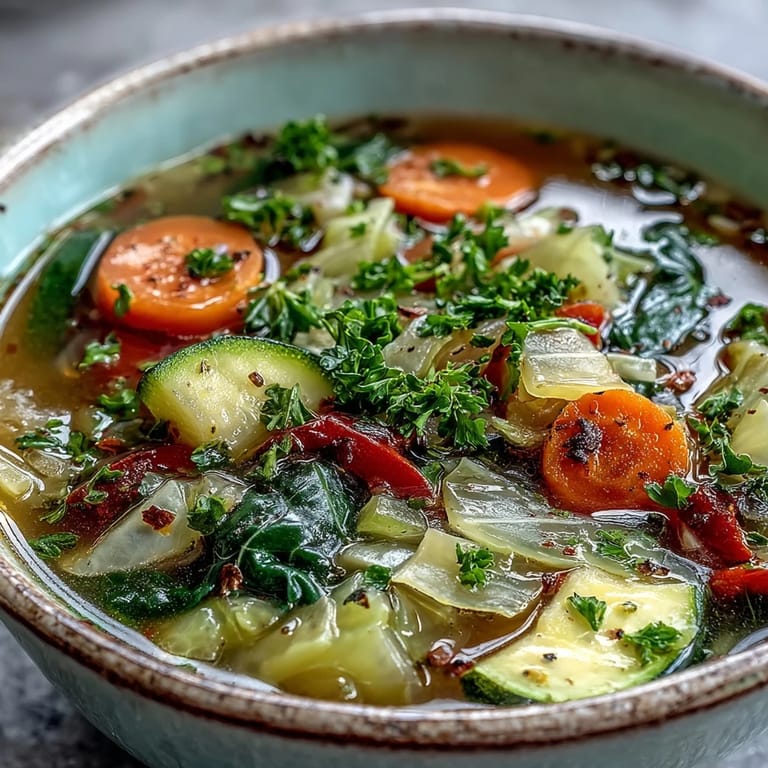
Save There's something about opening the fridge on a tired Tuesday and seeing a head of cabbage that makes you feel resourceful. Years ago, my neighbor handed me this soup recipe scribbled on the back of a grocery list, swearing it was the reason she never got sick during winter. I was skeptical—it sounded too simple, too humble—but one pot and forty minutes later, I understood why she'd become such an evangelist. The kitchen filled with this warm, vegetal smell that somehow felt both light and deeply nourishing.
I made this for my dad during one of those stretches when he wasn't feeling great, and he had three bowls in a row without even realizing it. He kept saying it tasted like "real food," which I think is the highest compliment a soup can get. That moment taught me that sometimes the most healing thing you can offer isn't fancy or trendy—it's just honest and warm.
Ingredients
- 1 small green cabbage (about 700 g), cored and chopped: This is your foundation—cabbage gets sweeter as it cooks and creates a subtle sweetness that balances the broth, so don't skip it or swap it for pre-shredded if you can help it.
- 2 medium carrots, peeled and sliced: They add natural sweetness and body; I like leaving them in half-moons so they don't disappear into the broth.
- 2 celery stalks, sliced: This creates depth of flavor even though you might forget you added it—that's exactly how it should work.
- 1 medium onion, diced: Yellow onions are your friend here because they caramelize slightly in that first sauté and become almost sweet.
- 3 cloves garlic, minced: Wait until you add it to the hot oil and you'll smell why this matters; garlic that's cooked in oil for just a minute tastes completely different from garlic added to cold liquid.
- 1 red bell pepper, diced: This brings brightness and a hint of sweetness that rounds out the earthiness—don't use green unless you want a vegetal punch instead.
- 400 g (1 can) diced tomatoes: Canned is actually better here than fresh because the tomatoes are at peak ripeness and the acidity helps keep the soup from tasting flat.
- 1 small zucchini, diced (optional): I skip this sometimes because the soup is already full, but on other days I add it because it bulks things up without adding weight.
- 1.5 liters vegetable broth (low sodium preferred): Low sodium lets you taste the vegetables instead of salt—trust me on this one.
- 1 tablespoon olive oil: Just enough to get the aromatics going; more isn't better here.
- 1 teaspoon dried thyme: This is the quiet backbone of the whole thing, so use good dried thyme if you have it.
- 1 teaspoon dried oregano: It adds an almost Mediterranean note that keeps this from tasting one-dimensional.
- 1/2 teaspoon ground black pepper: Fresh ground if you have a grinder—it makes a difference.
- 1/2 teaspoon salt, or to taste: You'll taste it better at the end, so under-season at first.
- 1/4 teaspoon chili flakes (optional, for a little heat): A small pinch wakes everything up without making anyone cough.
- Juice of 1/2 lemon (optional, for brightness): This is the secret—a squeeze of lemon at the end lifts the whole soup and makes people wonder what the mystery ingredient is.
- Fresh parsley, chopped, for garnish: It looks pretty and adds a green freshness that matters more than you'd think.
Tired of Takeout? 🥡
Get 10 meals you can make faster than delivery arrives. Seriously.
One email. No spam. Unsubscribe anytime.
Instructions
- Heat and soften the base:
- Warm your oil in the pot until it's shimmering, then add the onion, carrots, and celery together. Watch them change color slightly—they'll go from raw and bright to soft and golden, and that's when you know they're ready for the garlic.
- Bloom the garlic:
- Stir in the minced garlic and let it toast for about a minute; your nose will tell you when it's done because the smell shifts from sharp to warm and sweet.
- Build the body:
- Add the bell pepper, zucchini if you're using it, and all that cabbage. Give it a few stirs and let it cook for a few minutes until the cabbage starts to soften and release its water.
- Add the liquids and seasonings:
- Pour in the tomatoes and broth, then sprinkle in your thyme, oregano, pepper, salt, and chili flakes if you want that warmth. The pot will smell immediately better and more intentional.
- Simmer until everything is tender:
- Bring it to a boil first so you see everything moving, then turn it down to low, cover it, and let time do the work. Twenty-five to thirty minutes is when the vegetables have given everything they have to the broth.
- Taste and adjust:
- This is crucial—taste it before you serve it because salt needs adjust to your broth and your preference, and the lemon juice is your chance to add brightness if it feels flat.
- Serve with intention:
- Ladle it into bowls, let the parsley tumble on top, and maybe crack some extra pepper over it because those small touches remind people that someone made this for them.
 Save
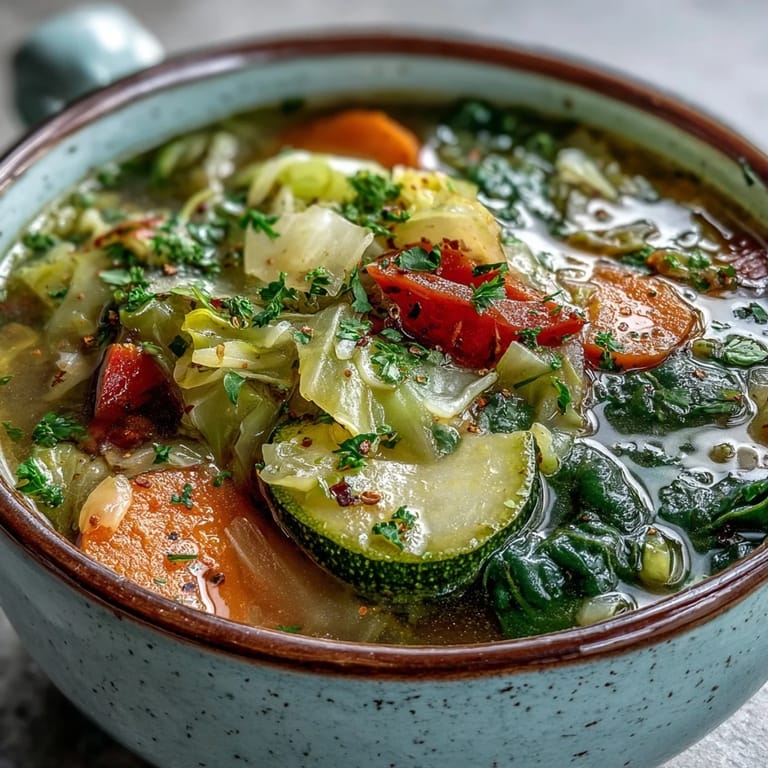
Save Last winter I brought two containers of this to my friend's house the day after she came home from the hospital, and she cried a little bit while eating it—not because the soup was fancy, but because it meant someone had shown up with something warm. That's when I realized this recipe isn't just about feeding yourself; it's about having something simple enough to make on hard days that still feels like real care.
Storage and Make-Ahead
This soup actually improves overnight because the flavors marry and deepen, which is my favorite kind of meal prep magic. Store it in the fridge in glass containers for up to four days, or freeze it for a month if you want to stash it for an emergency bowl of comfort.
Variations Worth Trying
The beauty of this soup is how forgiving it is—I've made it with whatever vegetables needed rescuing from the back of the fridge, and it's never disappointed. Add a can of white beans or chickpeas if you want more protein, toss in spinach or kale in the last five minutes if you want extra greens, or stir in a splash of coconut milk at the end if you're after something a little richer and more indulgent.
Serving Suggestions and Pairing
A slice of good whole-grain bread alongside this soup turns it into a complete meal that actually fills you up without feeling heavy. I also love serving it with a simple green salad on the side, or even just a small bowl with some crusty bread for dipping—it's flexible enough to work however you're feeling that day.
- A squeeze of fresh lemon juice at the table lets people brighten it to their own taste.
- A drizzle of good olive oil on top adds richness if someone wants it.
- Hot sauce or extra chili flakes on the side for anyone who wants heat.
 Save
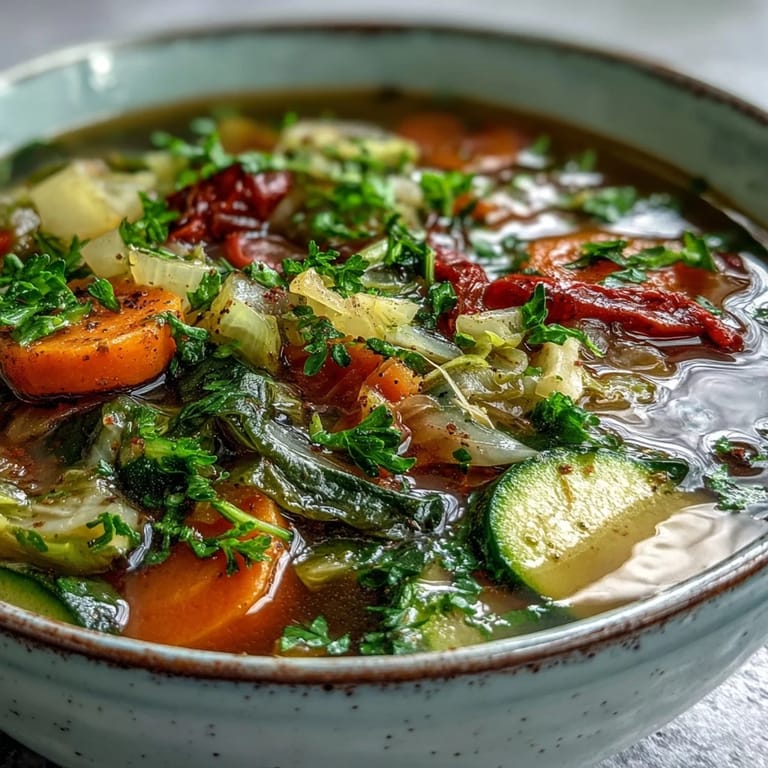
Save This soup has become the recipe I reach for when I want to feel like I'm taking care of myself or showing care to someone else—it asks for so little and gives so much. Make it once and you'll understand why my neighbor was an evangelist.
Recipe FAQs
- → How long does this cabbage soup last in the refrigerator?
Leftovers keep well refrigerated for up to 4 days. The flavors actually improve overnight as the vegetables continue to meld with the seasoned broth, making it ideal for batch cooking.
- → Can I freeze this soup?
Yes, this freezes beautifully for up to 3 months. Let it cool completely before transferring to freezer-safe containers. Thaw overnight in the refrigerator and reheat gently on the stovetop.
- → What other vegetables can I add?
Spinach or kale work wonderfully when added during the last 5 minutes of cooking. You can also include green beans, diced potatoes, or chopped Swiss chard based on seasonal availability.
- → How can I add more protein?
Stir in drained white beans, chickpeas, or lentils during the final 10 minutes of simmering. These plant-based proteins complement the vegetables perfectly while keeping the dish vegan and gluten-free.
- → Is this suitable for weight loss?
At only 85 calories per serving, this light yet filling option supports weight management goals. The high fiber content from vegetables promotes satiety while keeping the meal naturally low in calories and fat.
- → Can I use different broth?
While vegetable broth maintains the vegan profile, you can substitute with chicken or beef broth if preferred. Always choose low-sodium varieties to control the salt level, adjusting seasoning to your taste.