 Save
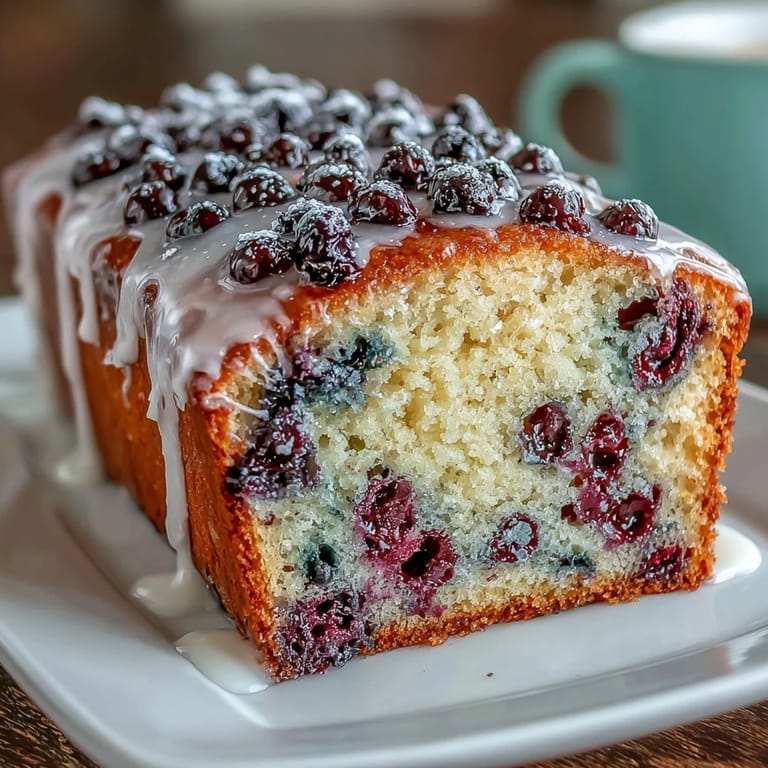
Save My cousin texted me three weeks before her baby shower asking if I could bring something lemony and elegant, nothing too fussy. I'd been experimenting with blueberry loaves all summer, and something about the combination of bright citrus with those jewel-like berries felt exactly right for a celebration. The first batch came out dense, but by the third try, I'd cracked the code: room temperature eggs, a whisper of sour cream, and the courage to not overmix. When I showed up at her shower with this golden loaf, the glaze still glistening, I knew I'd found something special.
I'll never forget watching my grandmother's friends devour this loaf during a weekday tea, the way they each went back for seconds while pretending to be polite about it. One woman actually complimented the glaze technique, which sent my confidence soaring—I'd worried for a moment that drizzling it freehand instead of pouring might look too casual. That afternoon taught me that simple, honest food made with actual care speaks louder than anything complicated.
Ingredients
- All-purpose flour (1 ½ cups): This is your foundation, and measuring by weight if you have a scale makes a real difference in texture—too much flour and the loaf gets dense and bitter.
- Baking powder and baking soda (1 tsp and ½ tsp): They work together to create that tender crumb; don't skip the baking soda or your loaf will taste too acidic from the lemon juice and sour cream.
- Salt (¼ tsp): A tiny amount that you won't taste but absolutely need to amplify the lemon flavor and keep everything balanced.
- Unsalted butter (½ cup, softened): Room temperature is non-negotiable here—cold butter won't cream properly with sugar, and you'll end up with a tough loaf instead of something tender.
- Granulated sugar (1 cup): The sweetness that lets the lemon shine rather than overwhelm, and creaming it with butter creates the air pockets that make this loaf so light.
- Eggs (2 large, room temperature): Cold eggs won't incorporate smoothly and can cause the batter to break, which affects the final texture more than you'd think.
- Lemon zest (2 tsp): Use a microplane if you have one—it catches all the aromatic oils and gives you a brighter flavor than a box grater does.
- Fresh lemon juice (⅓ cup): Bottled works in a pinch, but fresh juice gives you that sharp brightness that makes people close their eyes when they take a bite.
- Sour cream or plain yogurt (½ cup): This adds moisture and tenderness; Greek yogurt makes it slightly tangier, which some people prefer.
- Vanilla extract (1 tsp): It deepens the lemon flavor instead of competing with it, which is why pure vanilla matters here.
- Fresh blueberries (1 cup): If they're frozen, don't thaw them—the ice crystals actually help them stay whole instead of bleeding purple through your batter.
- All-purpose flour for berries (1 tbsp): This coating prevents the blueberries from sinking to the bottom while baking, a trick that changed everything for me.
- Powdered sugar (1 cup, sifted): Sifting removes lumps and makes your glaze smooth and glossy instead of grainy.
- Lemon juice for glaze (2–3 tbsp): Start with 2 tablespoons and add more if you want a thinner consistency; the glaze should be pourable but still coat the back of a spoon.
Tired of Takeout? 🥡
Get 10 meals you can make faster than delivery arrives. Seriously.
One email. No spam. Unsubscribe anytime.
Instructions
- Prepare your workspace:
- Preheat your oven to 350°F and grease a 9x5-inch loaf pan, then line it with parchment paper so the loaf releases cleanly. Having everything ready means you won't rush the mixing, which is where most loaves go wrong.
- Combine the dry ingredients:
- Whisk together flour, baking powder, baking soda, and salt in a medium bowl, making sure there are no clumps hiding in the corners. This step aerates everything and prevents dense pockets in your finished loaf.
- Cream butter and sugar:
- Beat the softened butter and sugar together for 2 to 3 minutes until it looks pale, fluffy, and almost mousse-like—this is where the magic starts, building in tiny air pockets. You'll know it's ready when the mixture leaves a trail when you lift the beaters.
- Add eggs and flavorings:
- Beat in eggs one at a time, waiting for each to fully incorporate before adding the next, then mix in lemon zest, fresh lemon juice, sour cream, and vanilla. The batter should look smooth and slightly curdled at this point, which is completely normal.
- Fold in the dry mixture:
- Gently add the dry ingredients to the wet mixture, stirring just until you don't see streaks of flour anymore—overmixing at this stage toughens the crumb. Your batter should be thick and creamy, not thin or runny.
- Coat and fold in blueberries:
- Toss the blueberries with 1 tablespoon of flour to coat them, then gently fold them into the batter using a spatula so they're evenly distributed. This keeps them from sinking and bleeding their color everywhere.
- Transfer to loaf pan:
- Pour the batter into your prepared pan and smooth the top with a spatula, trying to even it out so it bakes uniformly. Tap the pan gently on the counter to release any air bubbles.
- Bake until golden:
- Bake for 50 to 55 minutes until a toothpick inserted in the center comes out clean or with just a few moist crumbs clinging to it. If the top is browning too quickly, tent it loosely with foil during the last 15 minutes.
- Cool properly:
- Let the loaf sit in the pan for 10 minutes, then turn it out onto a wire rack to cool completely before glazing. Glazing a warm loaf makes the glaze slide right off, so patience here matters.
- Make the glaze:
- Whisk powdered sugar with 2 tablespoons of lemon juice until smooth, then add more juice a teaspoon at a time if you want it thinner. It should be thick enough to drizzle but thin enough to actually flow.
- Finish and serve:
- Drizzle the glaze over the completely cooled loaf in whatever pattern feels right, scatter lemon zest over the top if you're feeling fancy, then slice and serve. It tastes even better the next day when the flavors have had time to settle.
 Save
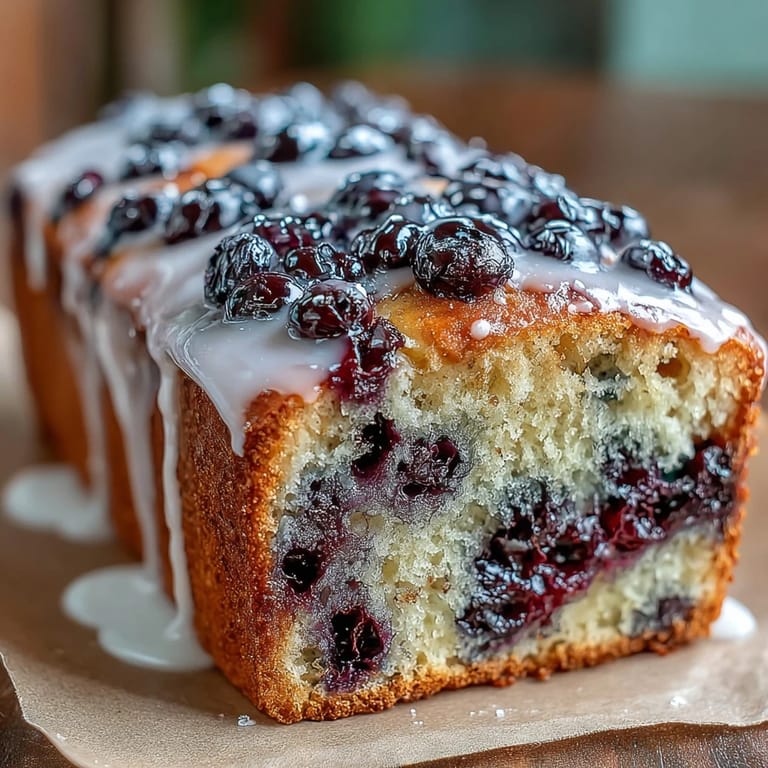
Save There's something almost ceremonial about making this loaf for people you care about, watching them take that first bite and pause for just a second, tasting all the bright lemon and those unexpected pockets of sweet berries. It stopped being just another dessert recipe the moment someone told me it reminded them of their mother's kitchen, and suddenly I understood why baking matters—it's how we say things words can't quite reach.
The Secret to a Moist Crumb
I discovered by accident that sour cream makes a genuine difference here, and not just as a trendy substitution. The acid in sour cream reacts with the baking soda to create lift, while the fat keeps everything tender and moist hours after baking—your loaf actually gets better on day two, which is rare. If you use Greek yogurt instead, you'll get a slightly tangier result that some people prefer, and the texture stays just as soft.
Why Lemon Zest Changes Everything
Most people measure lemon juice and skip the zest, treating it like a garnish instead of a core ingredient. But the zest carries the bright, aromatic oils that give you that lemony punch without adding moisture to the batter, whereas juice does both. I've learned that using a microplane instead of a box grater makes a surprising difference in flavor—the microplane captures finer zest that integrates into the batter rather than creating little bitter pockets.
Storage, Serving, and Variations
This loaf keeps for four days wrapped tightly at room temperature, and the flavors actually deepen as it sits, which is why making it a day ahead of a gathering is a smart move. You can also freeze it for up to three months, either whole or sliced—just thaw it at room temperature before serving. For variations, Greek yogurt adds tanginess, an extra ¼ teaspoon of lemon extract intensifies the lemon without making it taste artificial, and you can swap raspberries for blueberries if that's what you have on hand.
- Pair it with Earl Grey tea or sparkling wine for an afternoon that feels special without being complicated.
- Make the glaze thinner if you want it to drip dramatically down the sides, or thicker if you prefer a more controlled, elegant coat.
- Trust your instincts about doneness—if your oven runs hot, the loaf might be done at 48 minutes, so start checking a bit early.
 Save
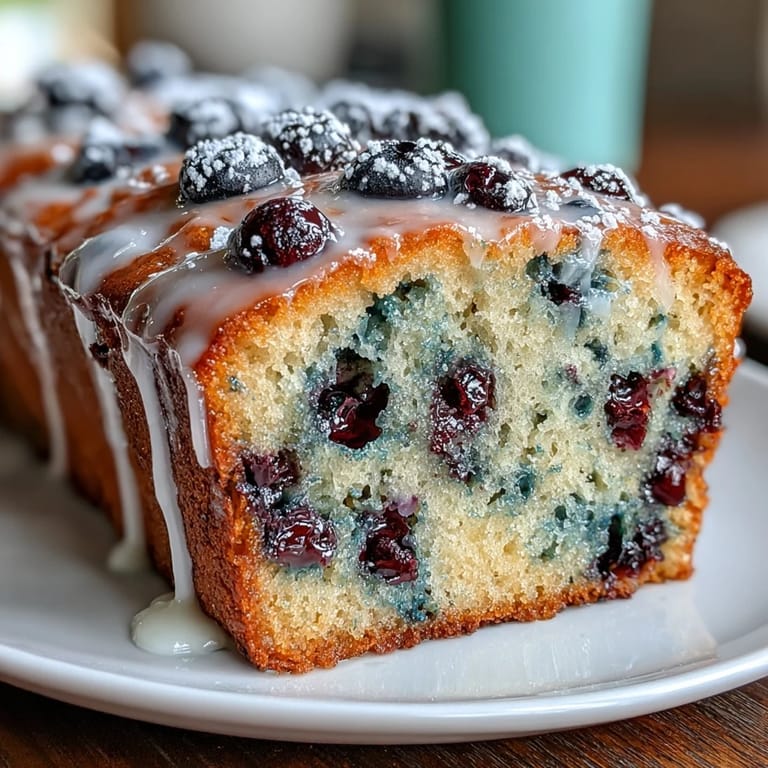
Save This loaf has become my answer to so many moments—celebrations, apologies, simple afternoons when someone needs a reason to pause and taste something made with actual thought. It's not pretentious or demanding, just honest and bright, which might be the best thing a dessert can be.
Recipe FAQs
- → What type of flour is best for the loaf?
All-purpose flour provides the ideal structure and texture for a moist and tender loaf, balancing rise and crumb.
- → Can I use frozen blueberries instead of fresh?
Yes, frozen blueberries can be used directly without thawing to prevent color bleeding in the batter.
- → How is the lemon flavor enhanced in this loaf?
Lemon zest and fresh lemon juice are incorporated into the batter, with an optional lemon extract addition for extra brightness.
- → What is the purpose of tossing blueberries in flour?
Tossing blueberries in flour before folding them into the batter helps prevent them from sinking to the bottom while baking.
- → How should the glaze be applied?
The powdered sugar glaze is whisked with fresh lemon juice until smooth and drizzled over the cooled loaf to add a sweet, tangy finish.
- → Can sour cream be substituted?
Greek yogurt is a great substitute for sour cream, adding a tangier taste while maintaining moisture.